

Zirconia vs. Stainless Steel Crowns for Primary Teeth: How to Choose
A chairside comparison of pediatric zirconia and stainless steel crowns: esthetics, prep, moisture control, durability, cost, and which cases suit each.
By the KTR Crowns team · · 6 min read
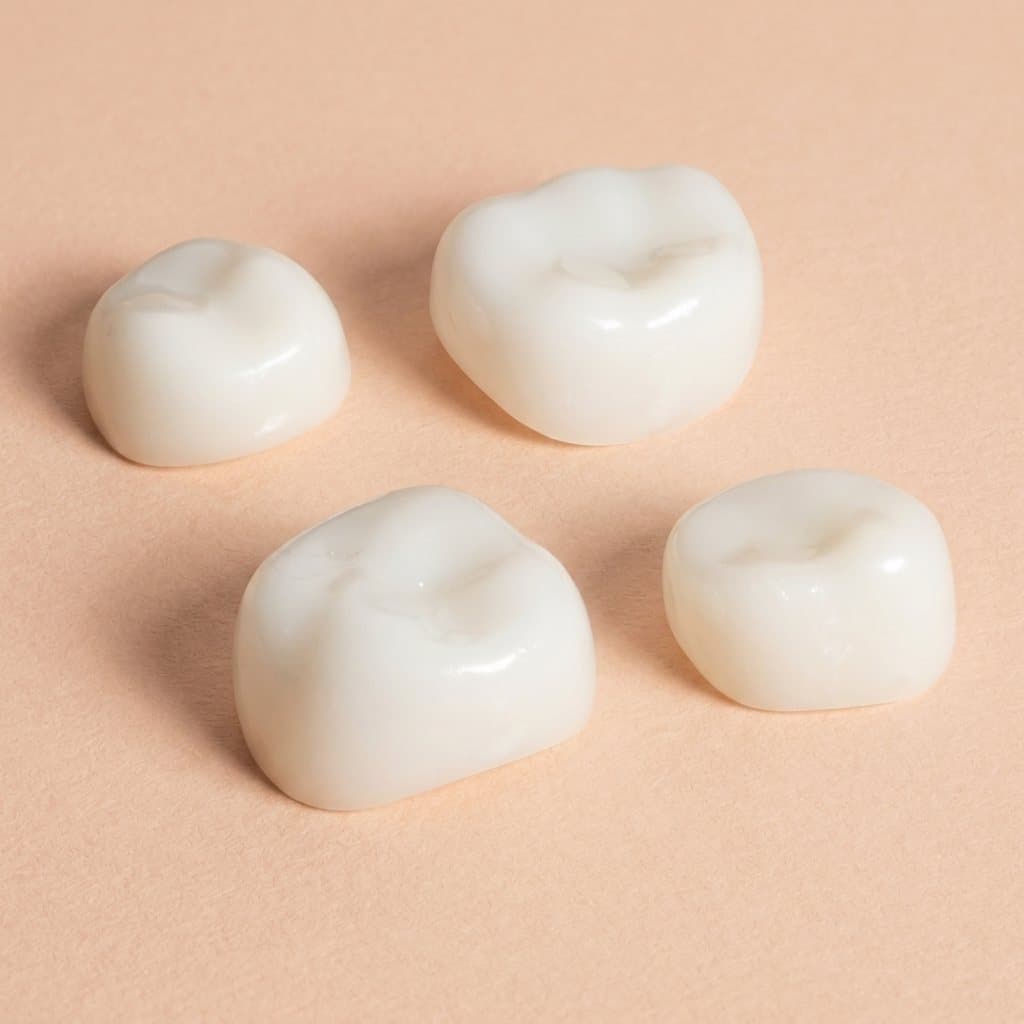
Parents ask for white crowns more often every year, and most pediatric practices now stock both zirconia and stainless steel. The question is rarely which material is better in general. It is which one fits this tooth, this child and this appointment. This guide walks through the trade-offs the way they come up chairside.
The short answer
| Zirconia crowns | Stainless steel crowns | |
|---|---|---|
| Esthetics | Tooth-colored, will not discolor | Metallic |
| Tooth reduction | More: the crown must seat passively | Less: the margin flexes over the undercut |
| Chairside adjustment | None to the crown; adjust the prep | Trim, contour and crimp as needed |
| Moisture tolerance | Hemostasis matters for seating and cementation | More forgiving |
| Cooperation needed | Higher: longer, more precise appointment | Lower; Hall technique is an option |
| Material | Metal-free, yttria-stabilized zirconia | Nickel-chromium stainless steel |
| Cost per crown | Higher | Lower |
Both are full-coverage restorations with a long place in pediatric dentistry. Stainless steel crowns (SSCs) have decades of clinical use behind them and remain the reference standard for multi-surface caries in primary molars. Zirconia crowns arrived later and offer something SSCs cannot: a restoration that looks like a tooth.
When zirconia is the better choice
Zirconia shines when esthetics drive the treatment decision and the clinical conditions allow a controlled, dry field.
- Anterior teeth. Primary incisors and cuspids with extensive decay, fractures or developmental defects are the classic zirconia case. A stainless steel crown on an upper incisor is rarely acceptable to parents today.
- Visible posterior teeth. First primary molars and lower molars that show in a smile are good candidates when the parent prioritizes appearance.
- Metal sensitivity concerns. Zirconia is metal-free, which settles the question for families worried about nickel. For the questions families ask about steel, see stainless steel crowns, MRI and nickel.
- Cooperative patients or sedation cases. The prep and try-in take more precision, so a calm child or a GA appointment makes zirconia predictable.
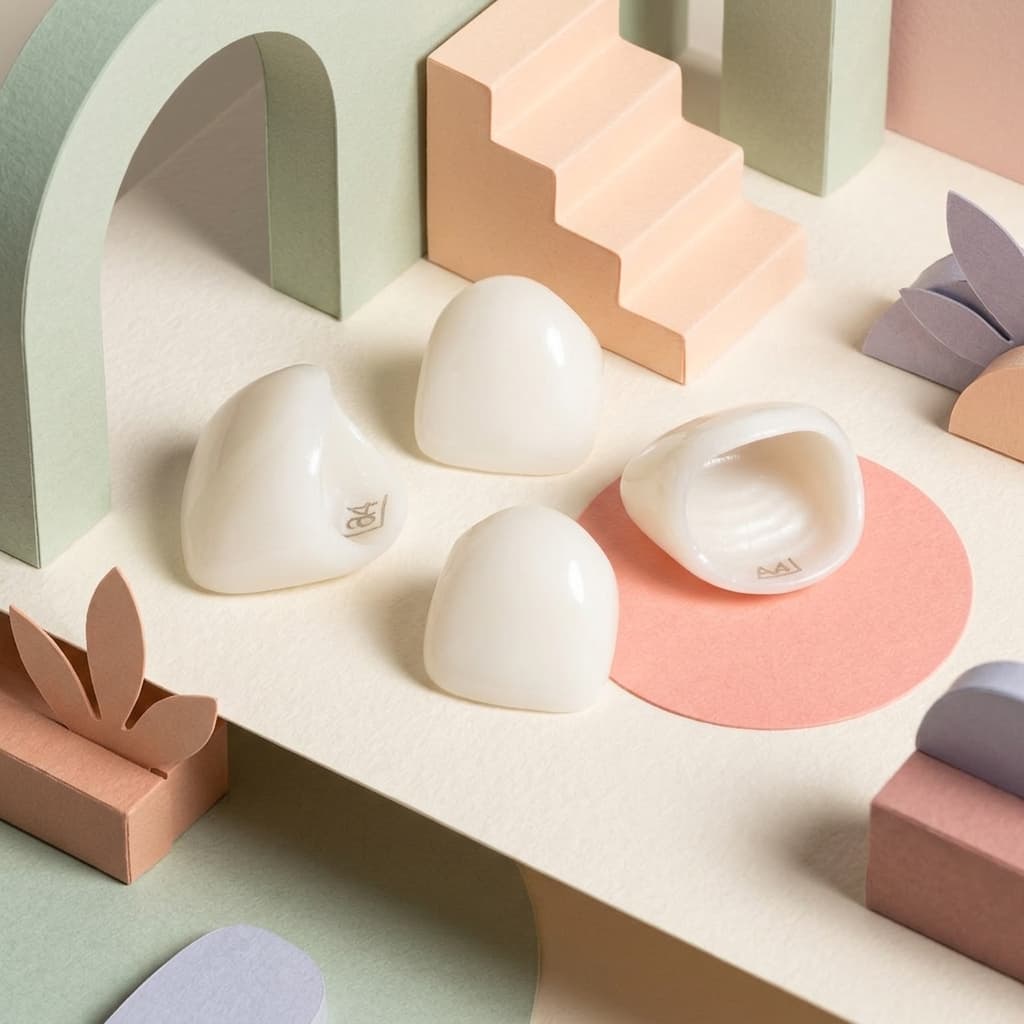
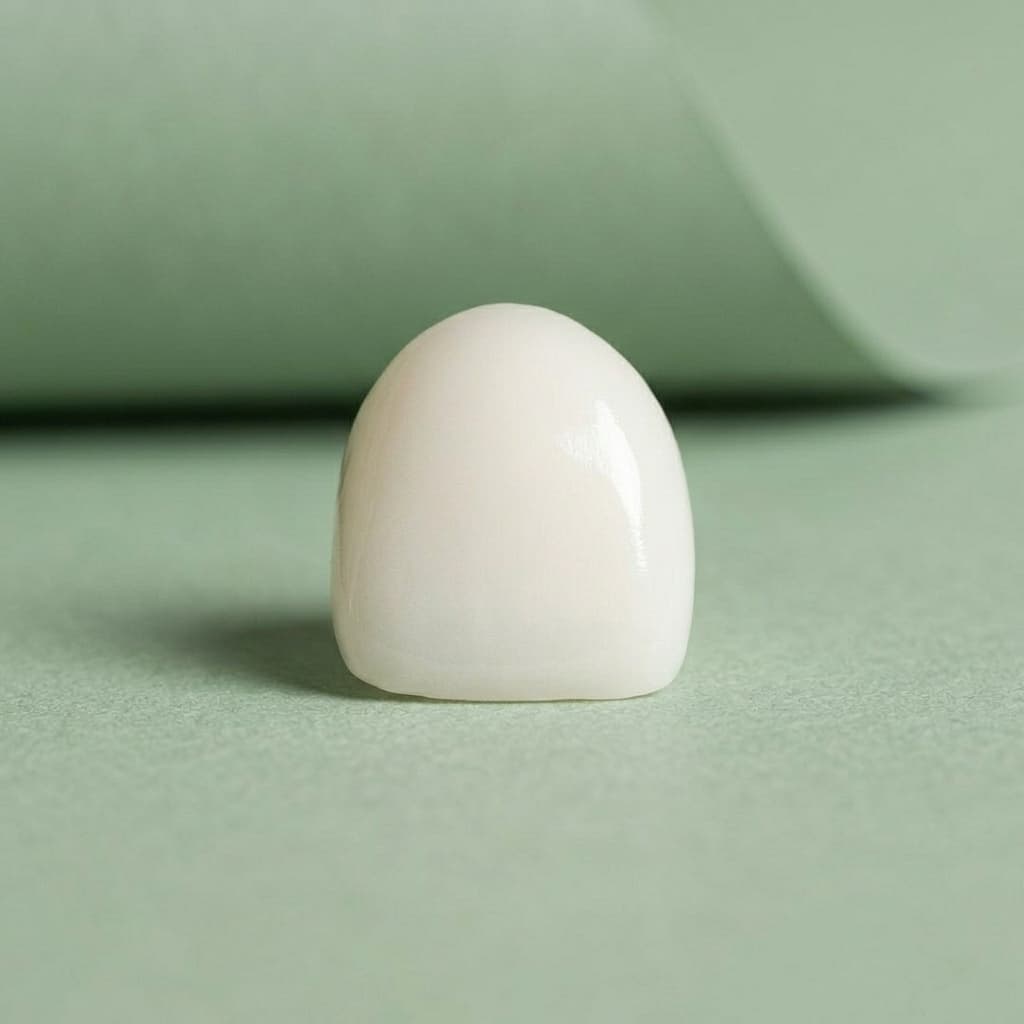
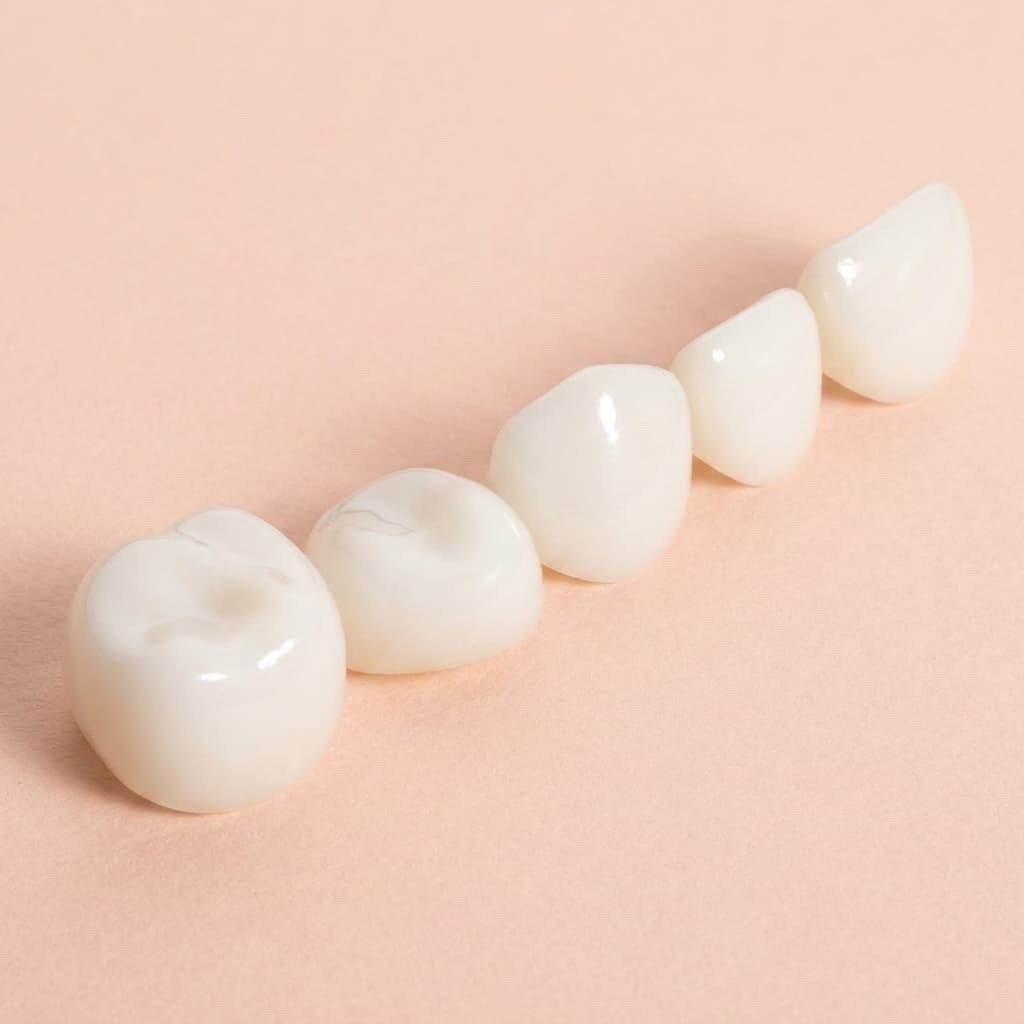
KTR zirconia crowns are computer-cut from 1200 MPa yttria-stabilized zirconia with natural translucency, and each tooth position comes in Standard, Slim and Mini fit profiles so the crown can match the space rather than forcing more reduction.
Stock every position
Zirconia Starter Kits
When stainless steel is the better choice
Stainless steel wins on forgiveness. The crown adapts to the tooth instead of the tooth being shaped to the crown.
- Limited cooperation. A shorter appointment with less precision required is often the kinder choice. SSCs are also the crown used in the Hall technique, which avoids local anesthetic and tooth preparation entirely in suitable cases.
- Difficult moisture control. SSCs tolerate a less-than-perfect field far better than zirconia.
- Short crown height or heavy wear. A crimped steel margin can grip a short clinical crown that would struggle to retain a passive-fit zirconia crown.
- Space maintainer abutments. Band-and-loop and crown-and-loop designs are built around SSCs.
- Budget-sensitive care. SSCs cost a fraction of zirconia per crown, which matters for high-caries-risk children who need several.
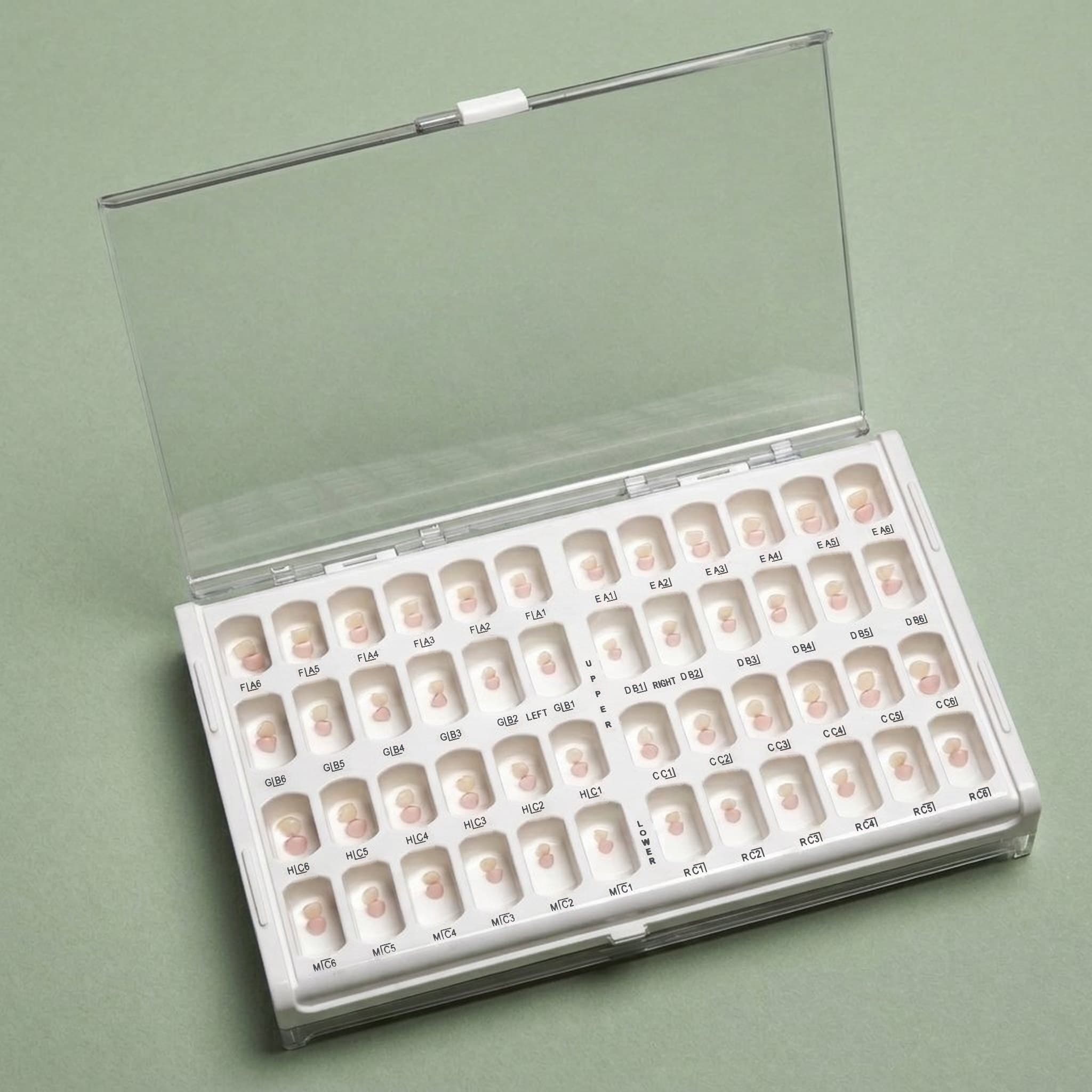
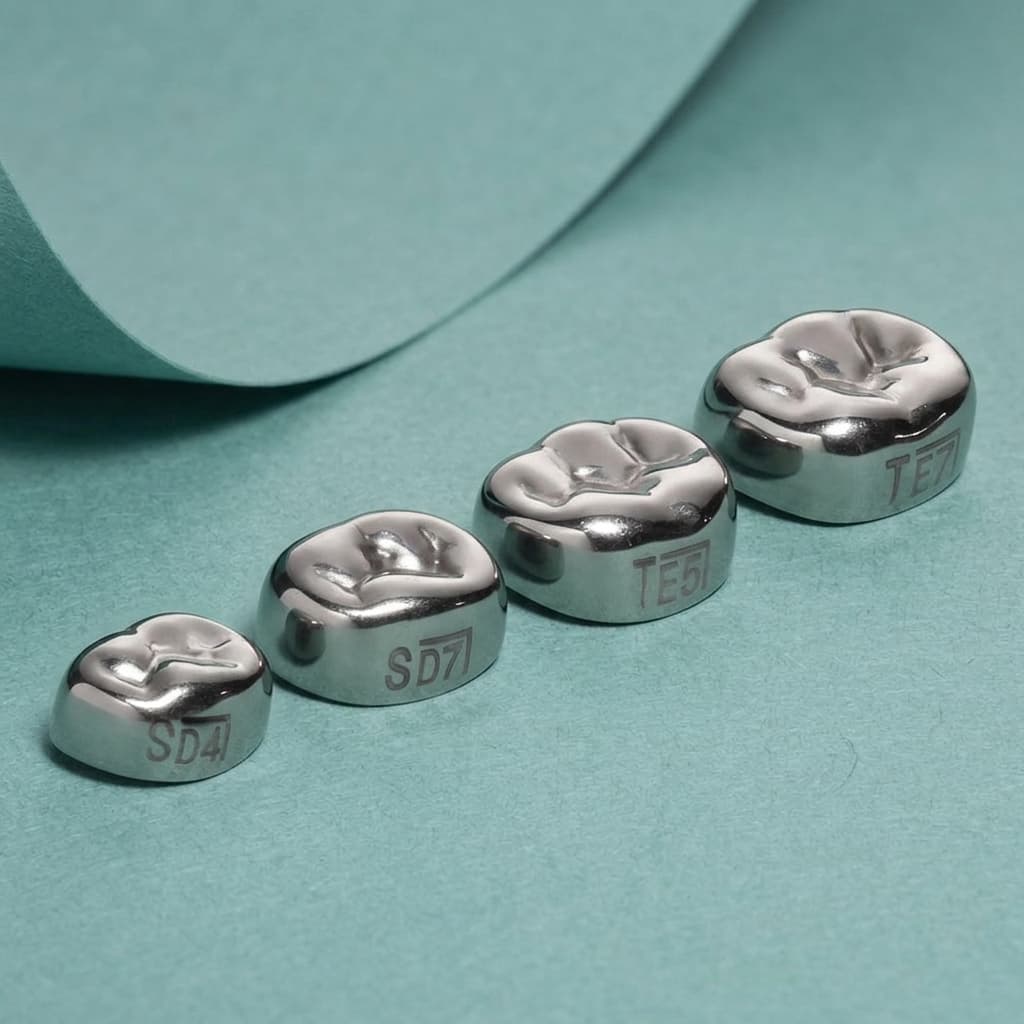
KTR stainless steel crowns come pre-trimmed, belled and crimped, in 6 sizes for each primary molar position (48 options in total), with laser-etched Universal and Palmer markings so the right crown is easy to find on a busy day. Every position and size is in the stainless steel crown size chart.
Primary molars, 48 sizes
Stainless Steel Crowns
How the preparation differs
The biggest practical difference is where the fit comes from. A stainless steel crown is flexible at the margin: it snaps over the natural undercut of a primary molar, and you can crimp it for a tighter seal. A zirconia crown cannot be crimped, trimmed or bent. It has to seat passively, so the tooth is prepared to fit the crown.
- Zirconia: occlusal or incisal reduction, circumferential reduction carried subgingivally to remove the undercut, a feather-edge margin, and enough interproximal clearance for the crown to slide on without force. See the step-by-step anterior and posterior prep guides.
- Stainless steel: occlusal reduction, interproximal slices to break contacts, and minimal buccal and lingual reduction, leaving the undercut in place for retention.
Moisture control and cementation
Zirconia crowns are cemented with glass ionomer (GI) or resin-modified glass ionomer (RMGI) cement, both of which KTR zirconia crowns are designed for. Bleeding at the subgingival margin is the usual enemy: blood in the crown can stop it from seating fully and contaminates the cement. Achieve hemostasis before try-in and keep the field as dry as you can through cementation. Our zirconia cementation protocol walks through it step by step.
Stainless steel crowns are also cemented with GI or RMGI, but the crimped margin and snap fit make the result less sensitive to a slightly wet field.
Durability and gingival health
Both materials comfortably outlast the primary tooth when the crown is sized and seated well. Zirconia is highly resistant to wear and does not discolor. Its polished surface also resists plaque, and clinical studies commonly report healthy gingival tissue around well-fitted zirconia crowns. Stainless steel is extremely tough and forgiving of heavy occlusal loads, but margins that are left open or overextended can irritate the gingiva, which is why careful trimming and crimping matter.
The failure modes differ. Zirconia crowns that fail usually do so early, through debonding or fracture, and a fracture typically points back to a crown that was forced into place rather than seated passively. SSCs rarely fracture; their weak point is a poorly adapted margin.
Talking with parents about the choice
For many parents, the decision is emotional as much as clinical. A clear side-by-side conversation helps: explain that both crowns protect the tooth until it falls out naturally, what the appointment will involve for each, and how cost compares. Showing a zirconia crown in hand, next to a steel one, answers most questions in seconds. Our guide to explaining zirconia crowns to parents has language you can borrow, and the printable parent brochure covers the same ground for families to take home.
A simple way to decide
- Is the tooth visible and does the parent want a tooth-colored result? Lean zirconia.
- Can you get reliable hemostasis and a cooperative (or sedated) patient? If not, lean stainless steel.
- Is there enough crown height and structure for a passive-fit crown after reduction? If not, stainless steel.
- Will the tooth anchor a space maintainer? Stainless steel.
- Otherwise, present both options with costs and let the family choose.
Most practices end up using both every week. Keeping a zirconia starter kit and a stainless steel assortment in the operatory means the decision can follow the patient instead of the inventory.
Frequently asked questions
Are zirconia crowns better than stainless steel crowns for kids?
Neither is better in every case. Zirconia gives a natural, tooth-colored result and is metal-free, but it needs more tooth reduction, good moisture control and a cooperative or sedated patient. Stainless steel is more forgiving, faster to place and less expensive, which makes it the better fit for many posterior and high-risk cases.
Do zirconia crowns need more tooth reduction than stainless steel crowns?
Yes, as a rule. A zirconia crown cannot be crimped or flexed, so the tooth is prepared until the crown seats passively, which usually means removing the undercut. A stainless steel crown flexes over the undercut and relies on it for retention.
Which cement is used for pediatric zirconia crowns?
Glass ionomer or resin-modified glass ionomer cement. KTR zirconia crowns are designed for both. The key to a good result is a dry field and full, passive seating before the cement sets.
Can I try zirconia and stainless steel crowns before ordering?
Yes. KTR offers free samples of both lines to dental professionals so you can check fit and finish in your own hands.
This article is general information for dental professionals. It does not replace clinical judgment, the product's instructions for use, or current AAPD guidance. Questions about a specific case? Call us at 1-800-506-5108.
Have a technique or case worth sharing?
We publish guest articles by pediatric dentists, residents and educators. Pitch an idea and write for colleagues.