

Hall Technique vs. Conventional Stainless Steel Crowns: Case Selection and Technique
When to seal a primary molar with the Hall technique and when to prepare it for a conventional stainless steel crown, with sizing, seating and follow-up.
By the KTR Crowns team · · 6 min read
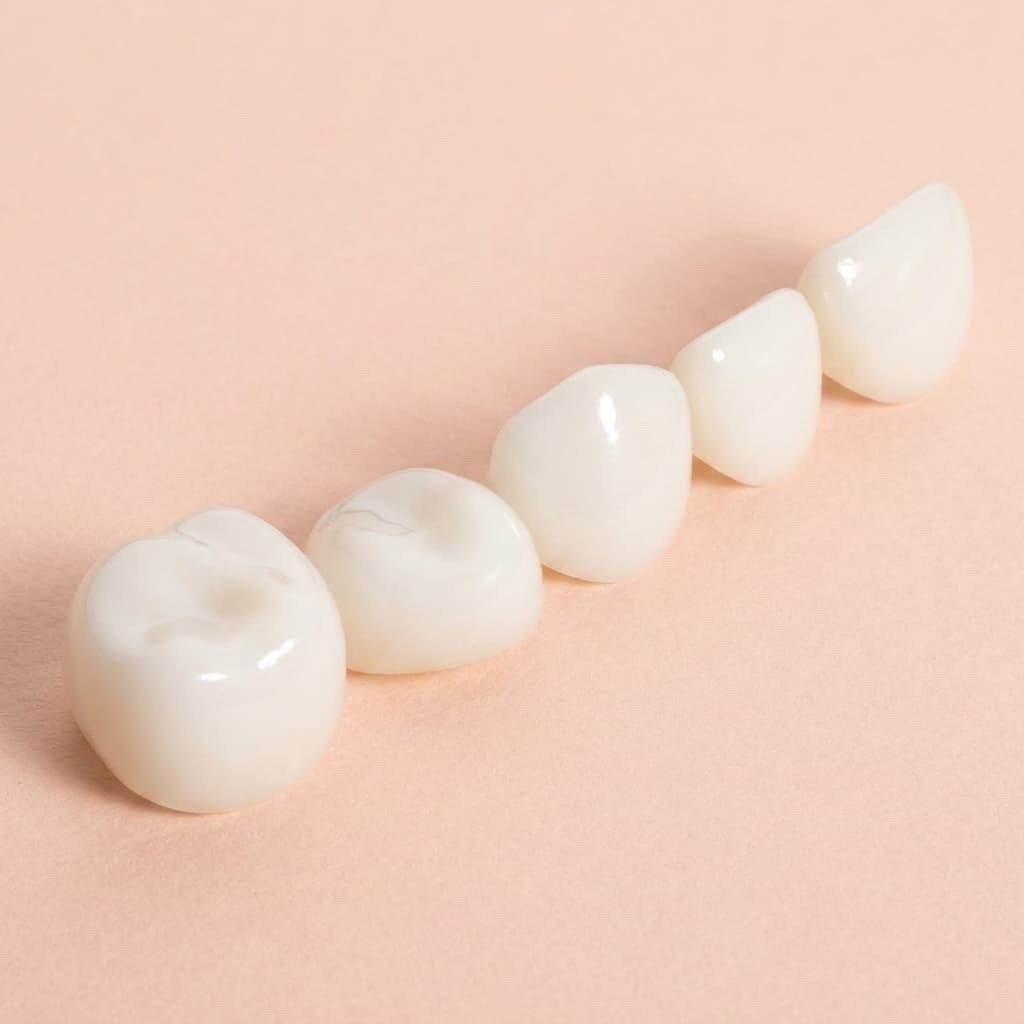
Stainless steel crowns can go on a primary molar two very different ways. The conventional approach prepares the tooth under local anesthetic, removes caries and adapts the crown to the preparation. The Hall technique does none of that: the crown is cemented over the unprepared tooth, sealing the lesion in. Both have a place, and knowing which case suits which approach saves time for you and the child.
The two approaches at a glance
| Hall technique | Conventional SSC | |
|---|---|---|
| Local anesthetic | Not used | Required |
| Caries removal | None: the lesion is sealed | Caries removed before seating |
| Tooth preparation | None | Occlusal reduction and interproximal slices |
| Separators | Often placed days before if contacts are tight | Not needed; contacts are sliced |
| Crown adaptation | Seated as supplied | Trimmed, contoured and crimped as needed |
| Occlusion | Temporarily raised, settles over weeks | Adjusted to occlusion at placement |
| Cooperation needed | Low: short, needle-free visit | Moderate to high |
What the Hall technique is
The Hall technique is a biological approach to managing caries in primary molars. Instead of removing decay, it deprives the lesion of the sugars that feed it by sealing it under a cemented stainless steel crown. There is no local anesthetic, no caries removal and no tooth preparation. The approach has a substantial evidence base in the pediatric literature and is now widely taught as an option for suitable carious primary molars.
Its appeal is obvious to anyone who treats young or anxious children: a short, needle-free appointment that many children tolerate well, with a restoration durable enough to last until the tooth exfoliates.
Case selection: which teeth suit Hall
The technique only works if the pulp is healthy enough to recover once the lesion is sealed. Careful selection is the difference between a success and an abscess.
- Suitable: carious primary molars with no clinical signs or symptoms of irreversible pulpitis, and a radiograph that shows a clear band of dentin between the lesion and the pulp.
- Not suitable: teeth with signs of irreversible pulpitis, a history of spontaneous or night pain, swelling, a sinus tract, abnormal mobility, or radiographic signs of pulpal involvement or periradicular pathology.
- Also consider: teeth with too little structure to retain a crown, and children who cannot tolerate a crown being pressed into place even briefly.
Hall technique step by step
- Check the contacts. If the contacts are tight, place orthodontic separators and have the child return a few days later once space has opened.
- Size the crown. Choose the smallest crown that covers all the cusps and seats with a slight spring or snap as it passes the height of contour. Try-in with finger pressure; do not fully seat it yet.
- Protect the airway. Keep gauze behind the tooth, since you are working without a rubber dam.
- Fill the crown with glass ionomer cement. Load it generously so the cement fully covers the lesion.
- Seat the crown. Place it over the tooth and seat it with finger pressure or by having the child bite down firmly on the crown or a cotton roll.
- Clean up. Wipe away excess cement, floss the contacts, and have the child keep biting until the cement sets.
Expect the crown to sit slightly high and the child's bite to feel different at first. The occlusion typically settles within a few weeks as the teeth adjust, and families should be told this in advance so it does not surprise them.
Pre-crimped primary molar crowns
Stainless Steel Crowns
Conventional stainless steel crown preparation
The conventional crown remains the standard when caries needs to be removed, when pulp therapy is required, or when the tooth does not meet the Hall criteria. It is also the approach for teeth that will anchor a crown-and-loop space maintainer.
- Anesthesia and isolation. Local anesthetic, then rubber dam where possible.
- Caries removal and pulp therapy as indicated.
- Occlusal reduction. Reduce the occlusal surface by roughly 1 to 1.5 mm, following the cusp anatomy.
- Interproximal slices. Break the mesial and distal contacts with a tapered diamond so a probe passes freely, without leaving ledges.
- Leave the buccal and lingual undercut. Minimal reduction here. The undercut is what the crown margin grips.
- Size and try in. The crown should snap over the height of contour with firm but gentle pressure and sit about a millimeter below the gingival margin. See the stainless steel crown size chart.
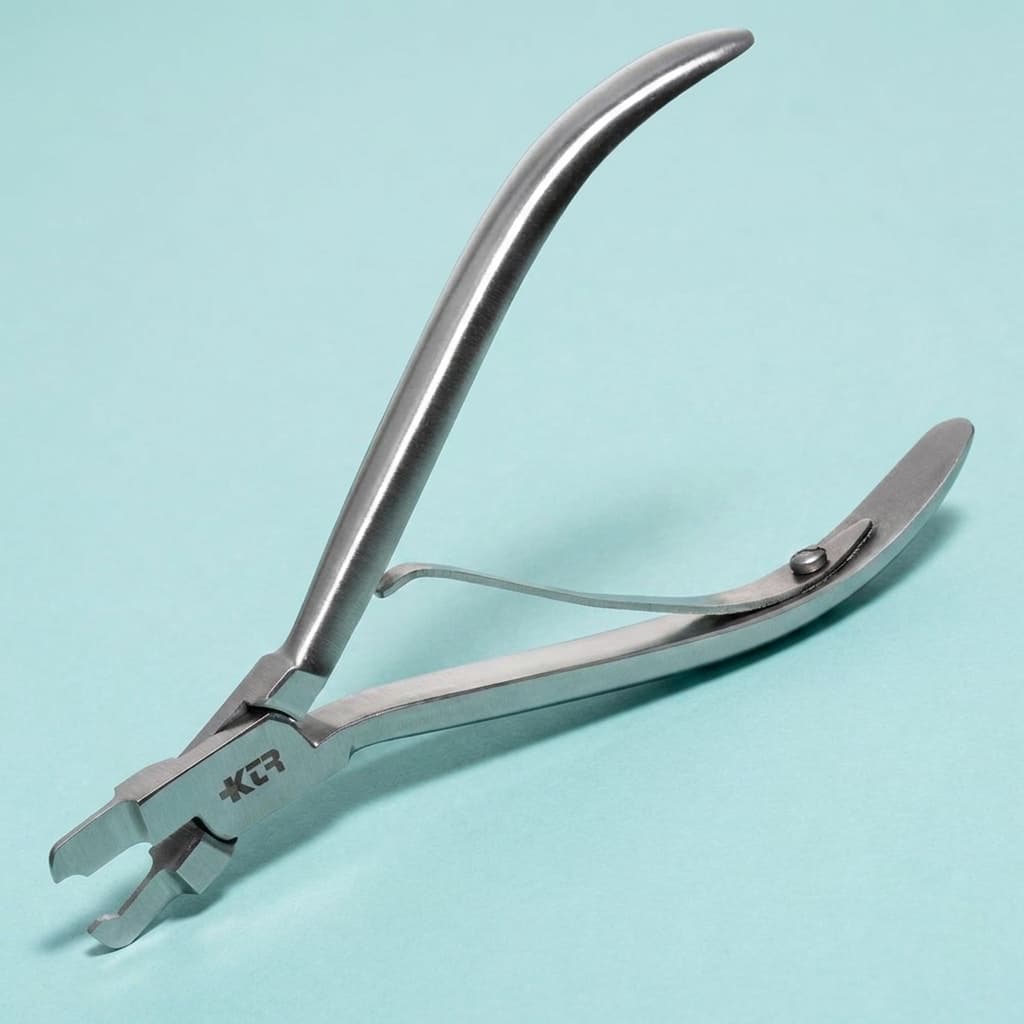
- Adapt and crimp. Trim if the crown is overextended, then crimp the margin for a close adaptation before cementing with GI or RMGI.
Choosing between them
In practice, the decision comes down to the tooth, the child and what else the tooth needs.
- Asymptomatic lesion, clear of the pulp, young or anxious child: Hall is a strong option.
- Symptoms, pulpal involvement or pulp therapy planned: conventional crown.
- Tooth will anchor a space maintainer: conventional crown, prepared and fitted to the band or loop design.
- Parent wants a tooth-colored result: neither is ideal. Discuss zirconia versus stainless steel, keeping in mind that zirconia requires a full preparation and cannot be placed with the Hall technique.
Whichever approach you use, talk the family through what to expect. A Hall crown looks exactly like a conventional stainless steel crown, and parents mainly want to know that the tooth is protected and their child will be comfortable.
What the crown itself needs to do
Both techniques depend on a crown that fits with minimal fuss. For Hall, you want a crown that snaps on as supplied, since there is no preparation to adjust. For conventional placement, a well-shaped margin reduces the trimming and crimping you have to do chairside.
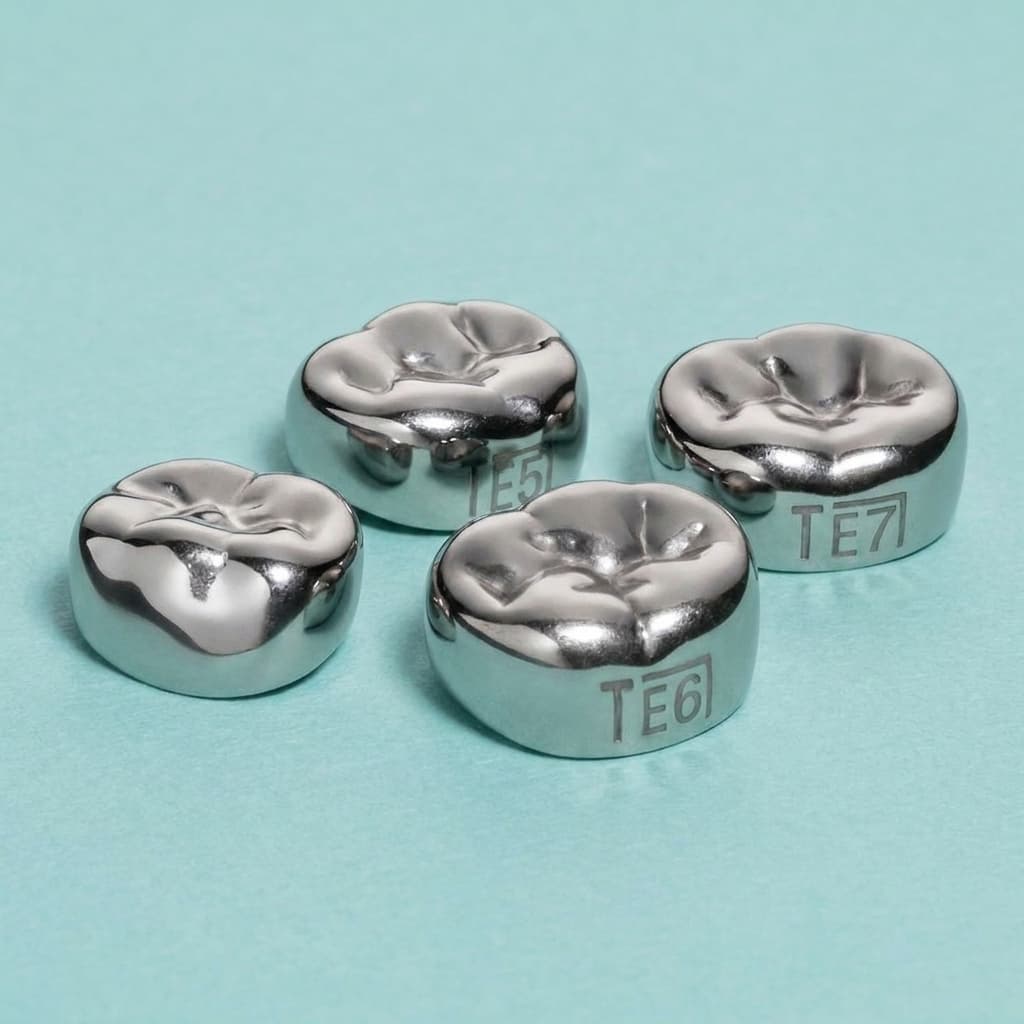
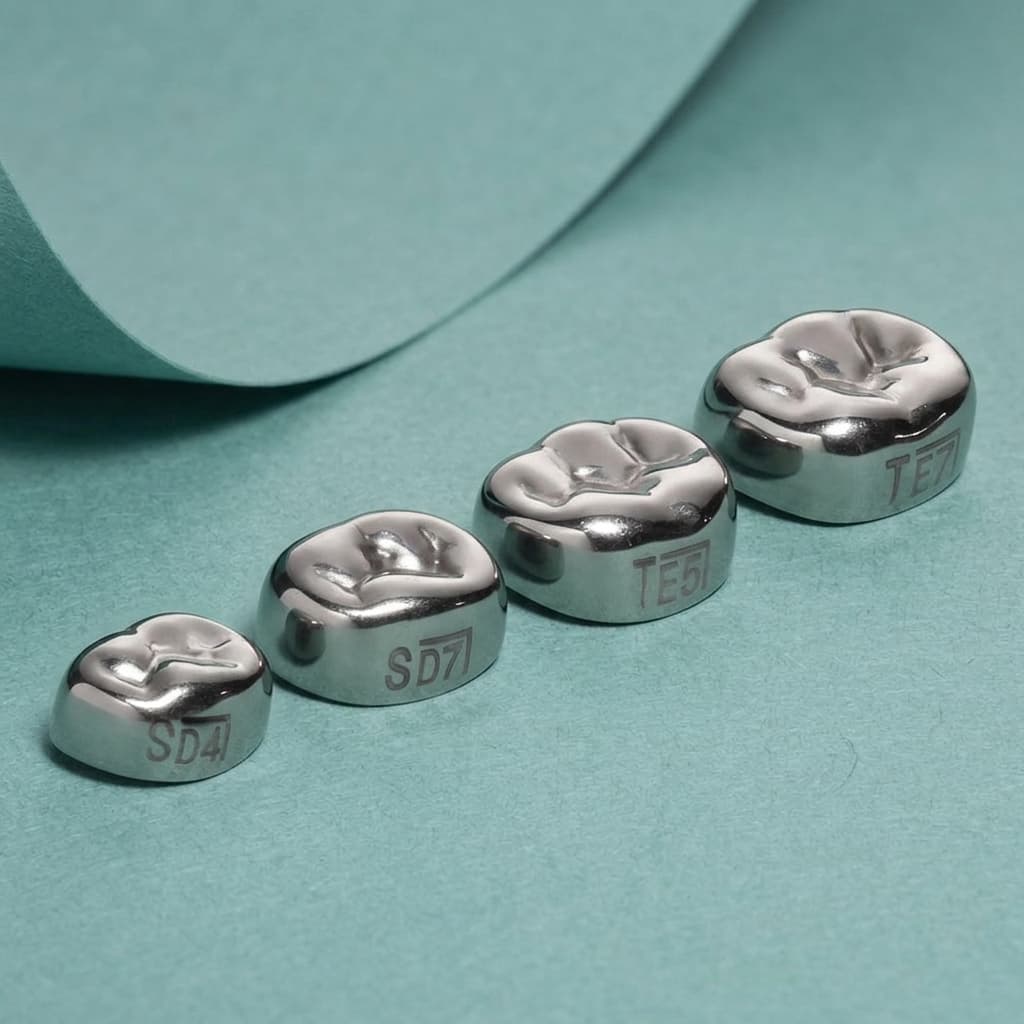
KTR stainless steel crowns are made from 300-series (Type 304) nickel-chromium stainless steel and come pre-trimmed, belled and crimped. Each primary molar position (A, B, I, J, K, L, S and T) is available in 6 sizes, 48 in total, and every crown is laser-etched in both Universal and Palmer notation so you can confirm the tooth and size at a glance. When you do need to refine a margin, a pair of crimping pliers makes the adaptation quick.
For conventional placement
Crimping Pliers & Storage
Follow-up
Review both kinds of crowns at recall. Check the margins and gingival health, confirm the occlusion has settled after a Hall crown, and radiograph as your usual schedule dictates to confirm there are no signs of pulpal pathology. Well-placed stainless steel crowns routinely last until the primary molar exfoliates.
If you are building your first stainless steel inventory, our guide to choosing a pediatric crown starter kit covers what to stock so the right size is always in the drawer.
Frequently asked questions
Does the Hall technique need local anesthetic?
No. The Hall technique involves no local anesthetic, no caries removal and no tooth preparation. The crown is filled with glass ionomer cement and seated over the unprepared tooth.
How do you choose the crown size for the Hall technique?
Choose the smallest crown that covers all the cusps and seats with a slight spring as it passes the height of contour. If the contacts are too tight for the crown to pass, place orthodontic separators and seat the crown a few days later.
Is it normal for a Hall crown to feel high?
Yes. The occlusion is temporarily raised after a Hall crown and typically settles within a few weeks. Let families know in advance so the change in bite does not worry them.
Which teeth are not suitable for the Hall technique?
Teeth with signs or symptoms of irreversible pulpitis, a history of spontaneous pain, swelling, a sinus tract, or radiographic signs of pulpal involvement or periradicular pathology. Those teeth need conventional treatment.
What are the downsides of the Hall crown technique?
Case selection is strict: teeth with pulpal symptoms or radiographic pulpal involvement are excluded, so an accurate diagnosis and a readable radiograph are essential. Caries is sealed rather than removed, which some families and clinicians find unfamiliar. The bite is temporarily raised, orthodontic separators can mean an extra visit, and the result is a silver crown, so it does not suit parents who want a tooth-colored restoration.
Can I use KTR stainless steel crowns for the Hall technique?
Yes. KTR stainless steel crowns come pre-trimmed, belled and crimped in 6 sizes for each primary molar position, and can be used for both Hall and conventional placement. Request samples to check the fit in your own hands.
This article is general information for dental professionals. It does not replace clinical judgment, the product's instructions for use, or current AAPD guidance. Questions about a specific case? Call us at 1-800-506-5108.
Have a technique or case worth sharing?
We publish guest articles by pediatric dentists, residents and educators. Pitch an idea and write for colleagues.