

Explaining Zirconia Crowns to Parents: Scripts for Case Acceptance
Plain-language scripts for explaining baby tooth crowns to parents: why crown a primary tooth, white vs silver crowns, the visit, cost and aftercare.
By the KTR Crowns team · · 6 min read

Most parents arrive with the same first question: why fix a tooth that is going to fall out anyway? How you answer it shapes everything that follows. This guide collects plain-language explanations your team can use at the chair and at the front desk, from why primary teeth matter to what happens at the appointment and afterward.
Start with why the baby tooth matters
Parents are not being difficult when they ask this. They genuinely do not know that a primary molar may need to last until a child is ten or older. Lead with the reasons that matter to them:
- It holds space for the adult tooth. Losing a baby tooth early can let neighboring teeth drift and crowd the permanent tooth.
- It lets your child chew comfortably and eat a normal range of foods.
- Front teeth help with speech while your child is learning to form sounds.
- Untreated decay can hurt and become infected, which can mean pain, swelling and more involved treatment.
Why a crown, not a filling
Parents often expect a filling and are surprised to hear the word crown. Explain that when decay is large or spans several surfaces, a filling has too little tooth to hold on to, while a crown covers and protects the whole tooth.
White or silver: presenting both options
Present both options fairly and let the clinical situation guide your recommendation. A simple comparison helps parents decide quickly.
| What parents ask | White (zirconia) crown | Silver (stainless steel) crown |
|---|---|---|
| How does it look? | Tooth-colored and does not stain | Silver, visible when your child smiles |
| Is it strong? | Yes, made to handle chewing | Yes, very durable |
| What's the visit like? | A little longer and more detailed | Usually quicker |
| Does it contain metal? | No, it is metal-free | Yes, stainless steel |
| Cost | Higher; insurance coverage varies | Lower; commonly covered |
Be honest about the clinical trade-offs as well. A white crown needs a dry area and a child who can stay still for a careful fit, so for some teeth or some children the silver crown is the better choice. Our comparison of zirconia vs. stainless steel crowns covers the clinical side in more detail.
Show, don't just tell
Most questions disappear once a parent can see what you are describing. A few simple visual aids go a long way:
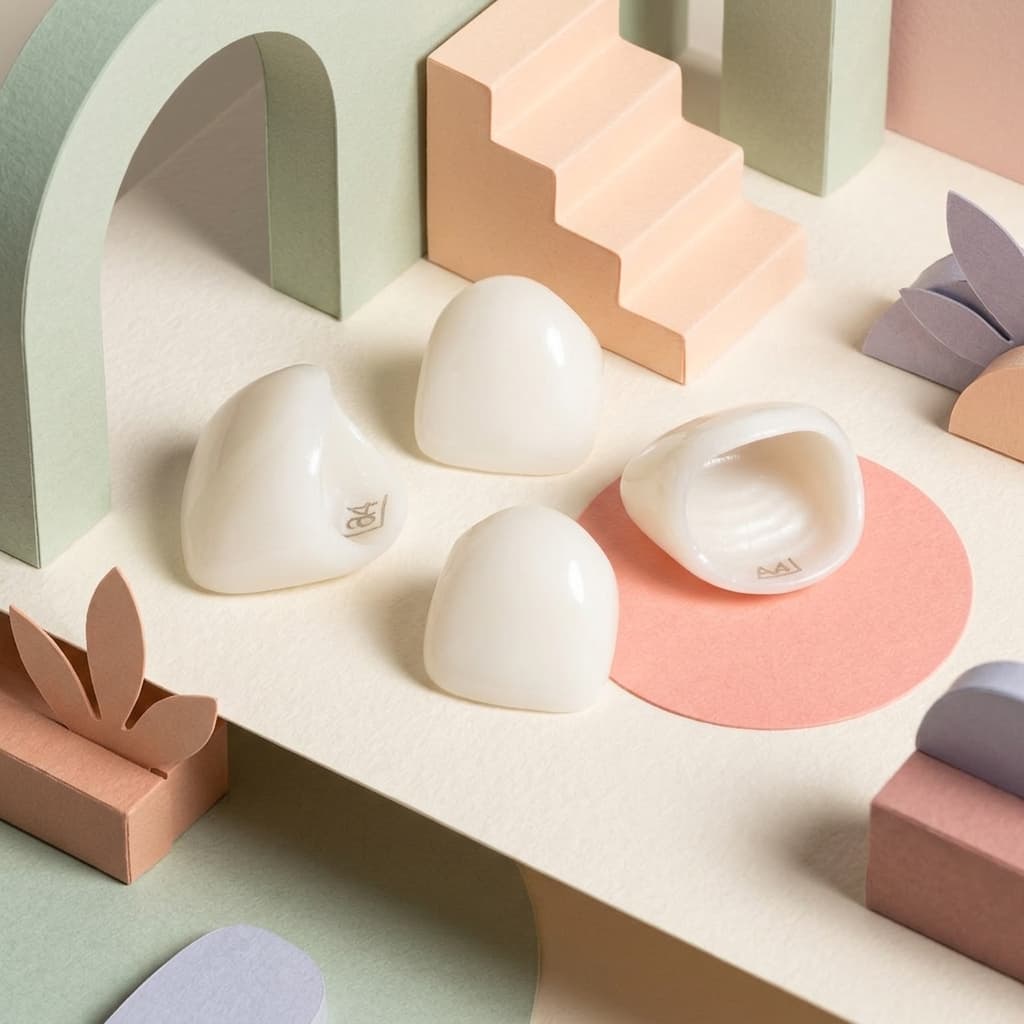
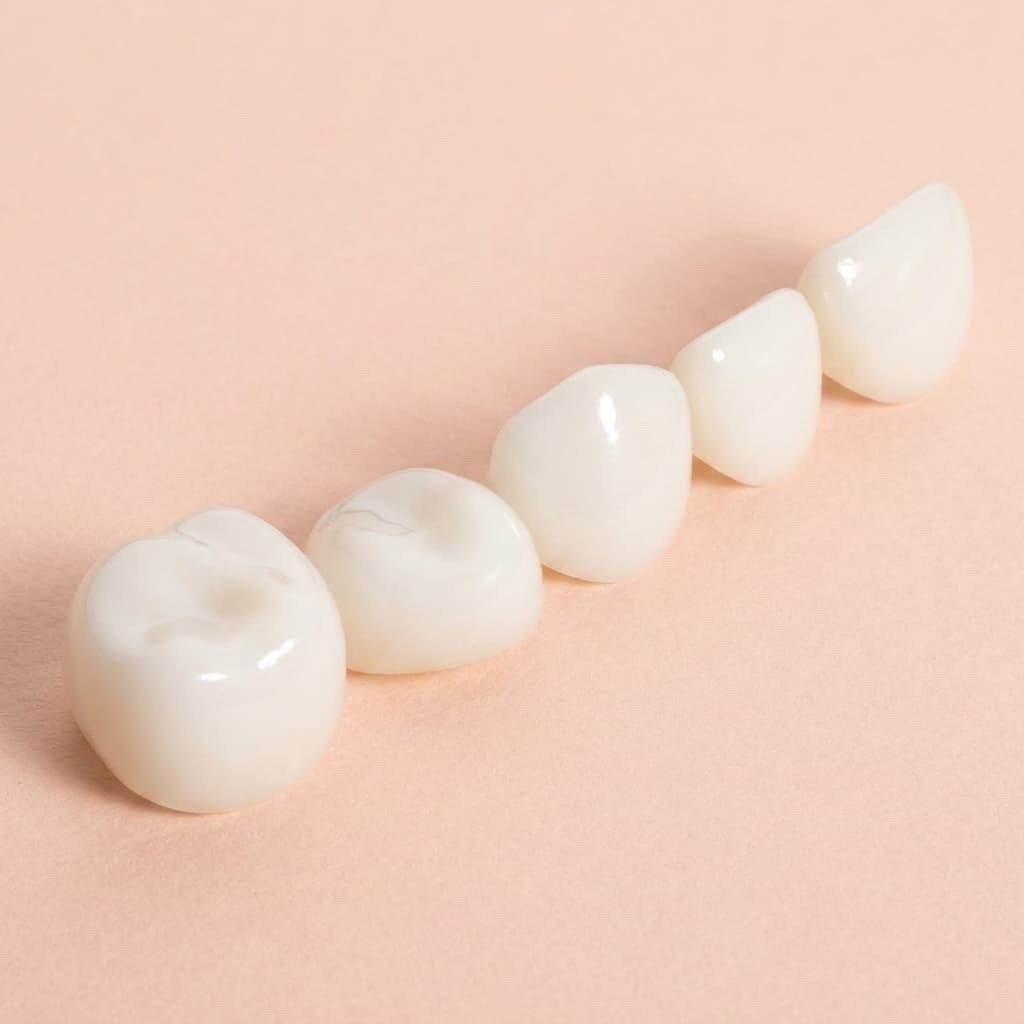
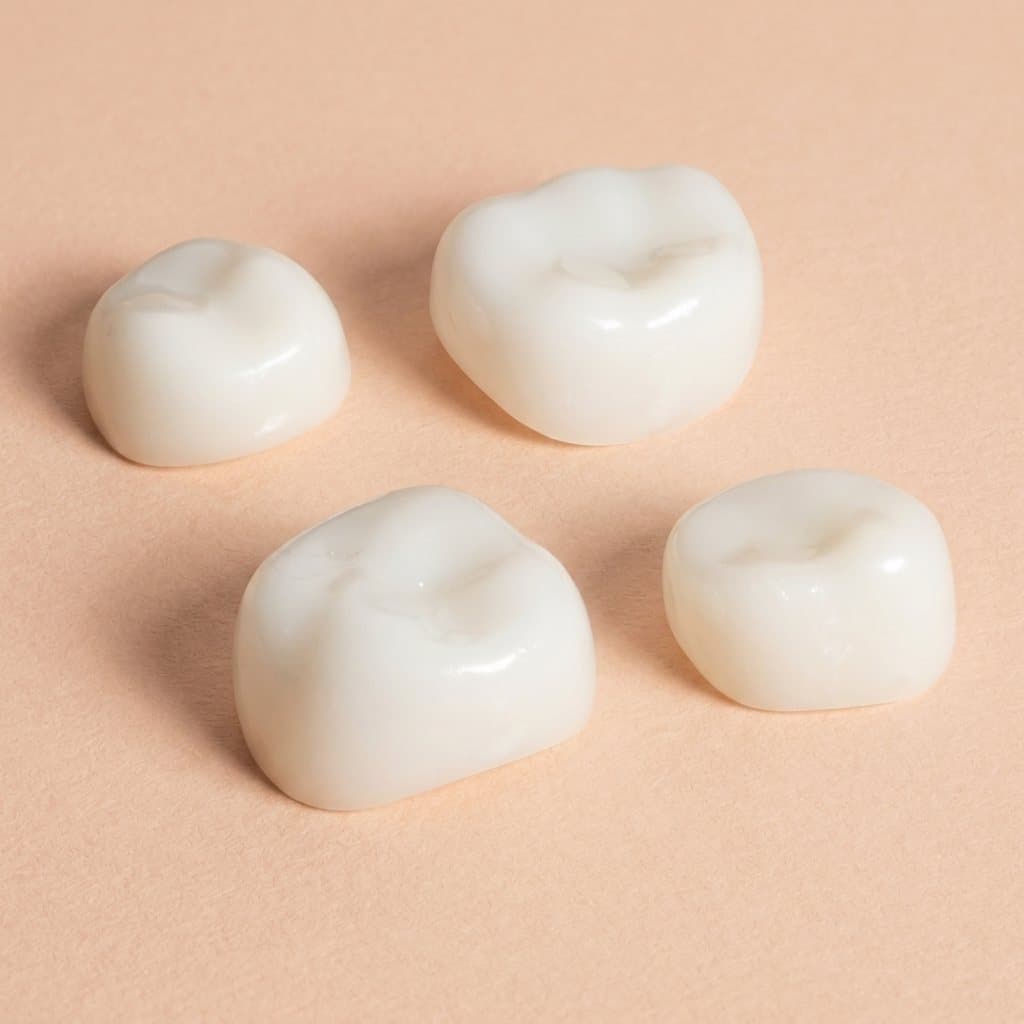
- Put a crown in their hand. Hand the parent a zirconia crown and a stainless steel crown side by side. The size and color make the choice real in a way a description can't.
- Show real results. Before and after photos of cases like their child's are reassuring. The clinical case gallery shows chairside cases with recall photos you can pull up on an operatory screen.
- Send something home. Parents often decide after talking it over. The printable parent brochure explains both crown types in plain language, so the conversation continues at the kitchen table.

Printable for your front desk
Parent Brochure
What happens at the appointment
Anxiety about the visit is often what stalls a decision. Walk parents through it in simple terms, adapted to your own protocol and to whether sedation or general anesthesia is planned:
- The tooth is numbed so your child is comfortable.
- The decay is removed and the tooth is shaped so the crown fits.
- The crown is tried on to make sure it fits well, then cemented in place.
- Your child can usually go home and get on with the day once the numbness wears off.
If the plan is a silver crown placed with the Hall technique, the story is simpler still: no numbing and no drilling. Our article on the Hall technique covers which teeth are suitable.
Talking about cost and insurance
Cost is usually the deciding factor, so address it directly rather than waiting to be asked. White crowns cost more than silver crowns, and dental insurance coverage for zirconia crowns on primary teeth varies widely by plan. Some plans cover the cost of a stainless steel crown and leave the difference to the family. Have your front desk check benefits before the treatment conversation where possible, so the parent hears one clear number for each option. For your front desk, our guide to pediatric crown CDT codes covers how each crown type is billed.
Make sure the whole team tells the same story. Parents often repeat questions at the front desk that they were too anxious to ask in the operatory, and a different answer there undoes the confidence you built chairside. A one-page summary of your practice's wording for why crowns are needed, the two crown options, what the visit involves and how billing works lets anyone on the team answer consistently.
Aftercare and what to expect
A short, consistent aftercare message avoids worried phone calls later:
- Watch that your child doesn't bite their cheek, lip or tongue while they are still numb.
- Some gum tenderness around the crown for a day or two is normal.
- Brush and floss the crowned tooth like any other tooth. The gums around it need cleaning too.
- Avoid very hard or sticky foods that could loosen a crown, and call if a crown ever feels loose or comes off.
- The crown will come out naturally with the baby tooth when the adult tooth is ready.
Making the white crown option easy to offer
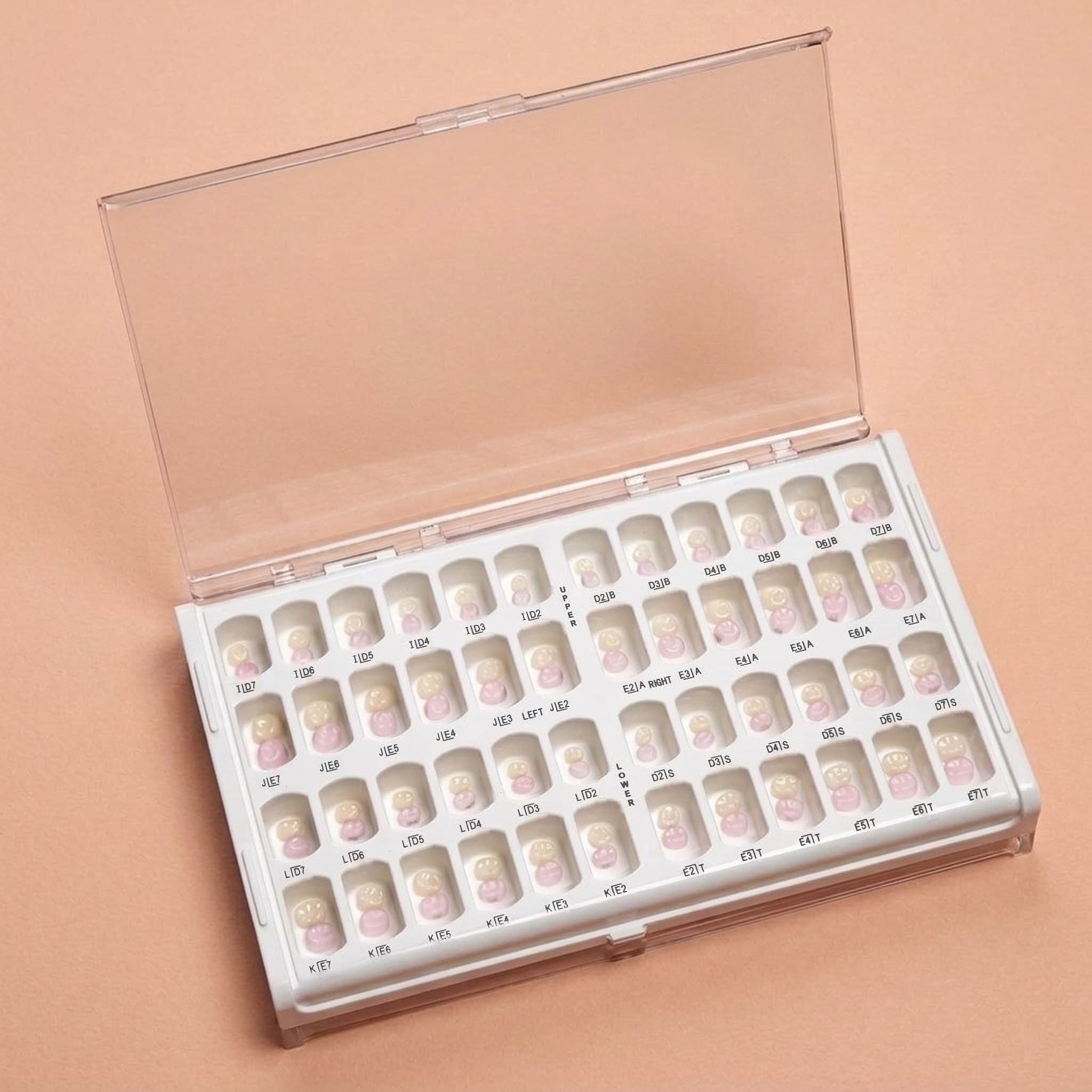
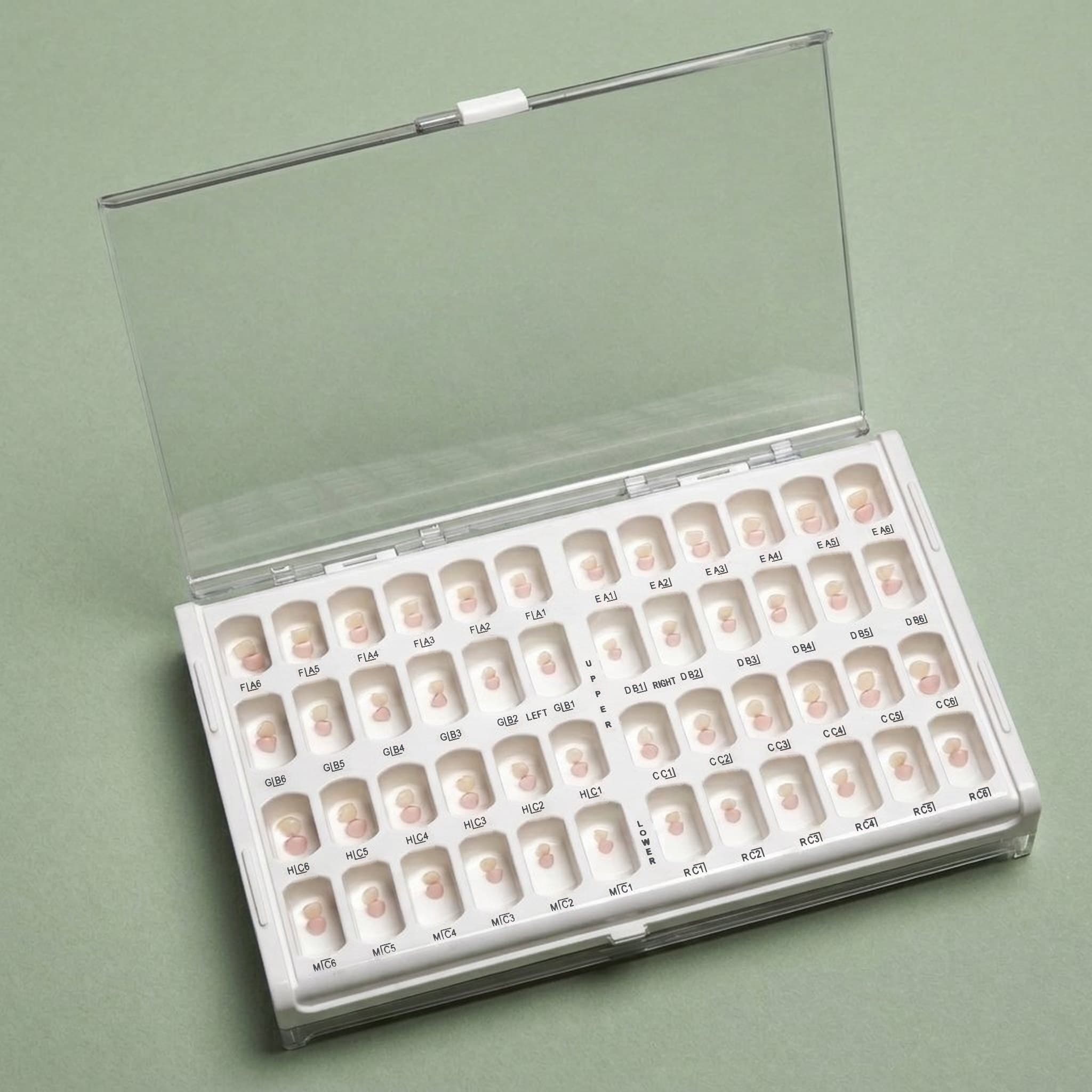
Case acceptance for zirconia is easier when the option is always available on the day. Keeping a zirconia starter kit in the operatory means you can offer a white crown without a second appointment, and KTR's try-in crowns and three fit profiles help the crown you promised fit the tooth in front of you.
Finally, follow up. A short call or message after the appointment asking how the child is doing, and a photo of the finished smile shared with the parent's permission, closes the loop. Families who feel looked after are the ones who recommend the practice to other parents, and a confident, well-explained crown visit is often what they remember most.
From KTR
Zirconia Starter Kits
Frequently asked questions
How do I explain why a baby tooth needs a crown?
Focus on the tooth's job: it holds space for the adult tooth, lets the child chew and speak comfortably, and may need to last several more years. A crown protects the whole tooth when decay is too large for a filling.
Does insurance cover zirconia crowns for children?
Coverage varies widely by plan. Some plans cover zirconia crowns on primary teeth, while others cover the cost of a stainless steel crown and leave the difference to the family. Checking benefits before the treatment conversation helps parents decide.
Why do pediatric dentists use silver crowns instead of white?
Stainless steel crowns are more forgiving to place, tolerate a less-than-dry field, need less tooth reduction, take less time in the chair and cost less. For back teeth, young children who can't sit still for long, or teeth where moisture control is difficult, a silver crown is often the more reliable choice. White zirconia crowns are chosen when appearance matters and the clinical conditions allow a careful fit.
Are stainless steel crowns safe for kids?
Yes. Stainless steel crowns have been used on primary molars for decades and are a standard, well-studied restoration in pediatric dentistry. They contain nickel, so let the dentist know about any known nickel allergy; a metal-free zirconia crown is an alternative in that case. More detail is in stainless steel crowns, MRI and nickel.
What visual aids help parents choose between white and silver crowns?
Showing both crowns in hand, before and after photos of similar cases, and a take-home brochure. KTR's printable parent brochure explains both crown types in plain language.
Can I get sample crowns to show parents?
Yes. KTR offers free samples of zirconia and stainless steel crowns to dental professionals, which work well as chairside show-and-tell pieces.
This article is general information for dental professionals. It does not replace clinical judgment, the product's instructions for use, or current AAPD guidance. Questions about a specific case? Call us at 1-800-506-5108.
Have a technique or case worth sharing?
We publish guest articles by pediatric dentists, residents and educators. Pitch an idea and write for colleagues.