

Pediatric Crown CDT Codes: D2929, D2930 and the Rest of the D29 Series
Which CDT code fits each pediatric crown: D2929 zirconia, D2930 stainless steel, D2932 to D2934, strip crowns, Hall crowns, plus documentation and Medicaid.
By the KTR Crowns team · · 6 min read
Pediatric crowns sit in a small, tidy block of the CDT Code, but the details trip up front desks every week: which code a zirconia crown takes, whether an esthetic crown on a molar needs a narrative, and what happens when the plan only pays for steel. This guide puts every prefabricated pediatric crown code in one place, with the documentation that keeps claims moving.
The prefabricated crown codes at a glance
| Code | Descriptor (short) | Use it for | KTR product |
|---|---|---|---|
| D2929 | Prefabricated porcelain/ceramic crown, primary tooth | Prefabricated zirconia crowns on primary incisors, cuspids and molars | KTR zirconia crowns |
| D2930 | Prefabricated stainless steel crown, primary tooth | Conventional and Hall technique stainless steel crowns on primary molars | KTR stainless steel crowns |
| D2931 | Prefabricated stainless steel crown, permanent tooth | Steel crowns on permanent teeth, such as first permanent molars | Not applicable (KTR steel crowns are primary molars) |
| D2932 | Prefabricated resin crown | Crowns that arrive as finished resin shells | Not applicable |
| D2933 | Prefabricated stainless steel crown with resin window | Steel crowns with a resin facing added through a window | Not applicable |
| D2934 | Prefabricated esthetic coated stainless steel crown, primary tooth | Pre-veneered steel crowns on primary teeth | Not applicable |
| D2928 | Prefabricated porcelain/ceramic crown, permanent tooth | Prefabricated ceramic crowns on permanent teeth | Not applicable |
The key distinctions are material and dentition. Porcelain/ceramic crowns split into D2929 (primary) and D2928 (permanent). Plain steel crowns split into D2930 (primary) and D2931 (permanent). The esthetic steel options, a resin window (D2933) or a factory coating (D2934), each have their own code, so a pre-veneered steel crown is never a D2930.
D2929: pediatric zirconia crowns
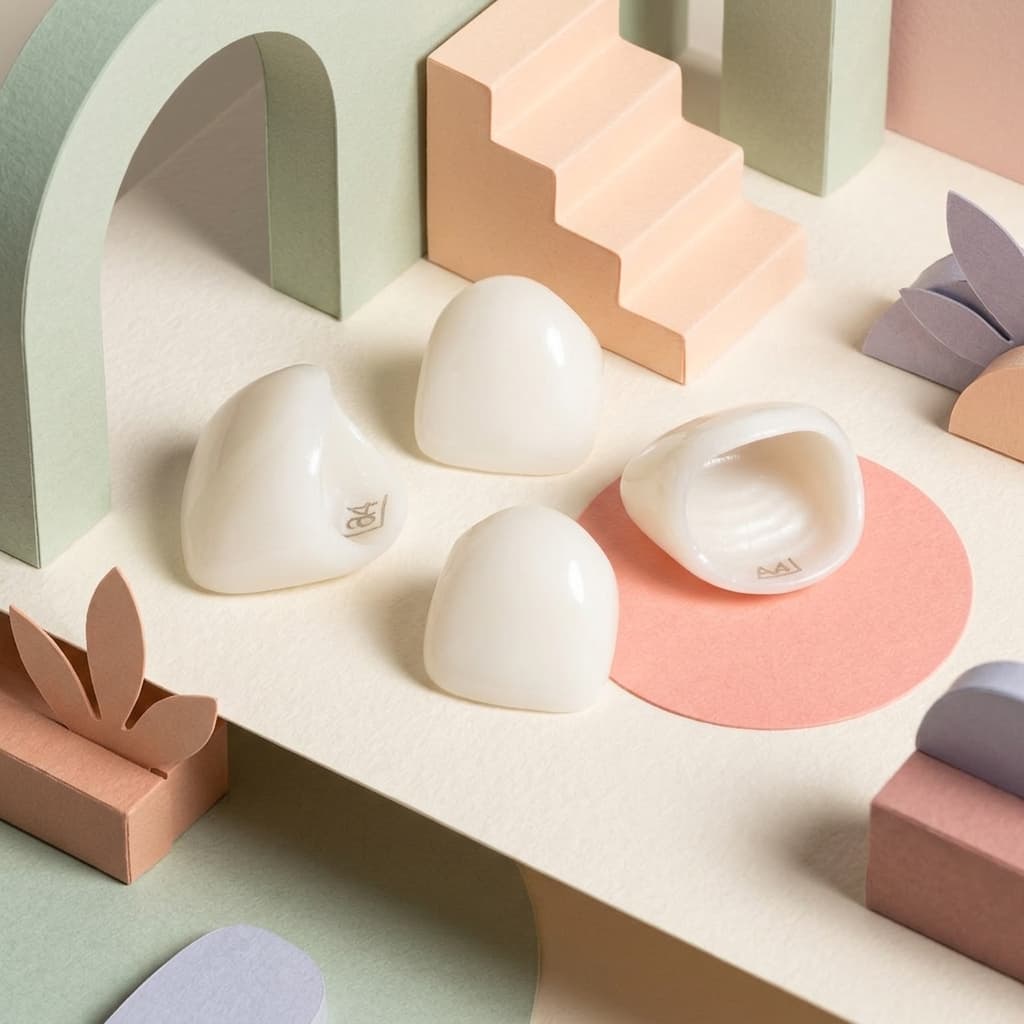
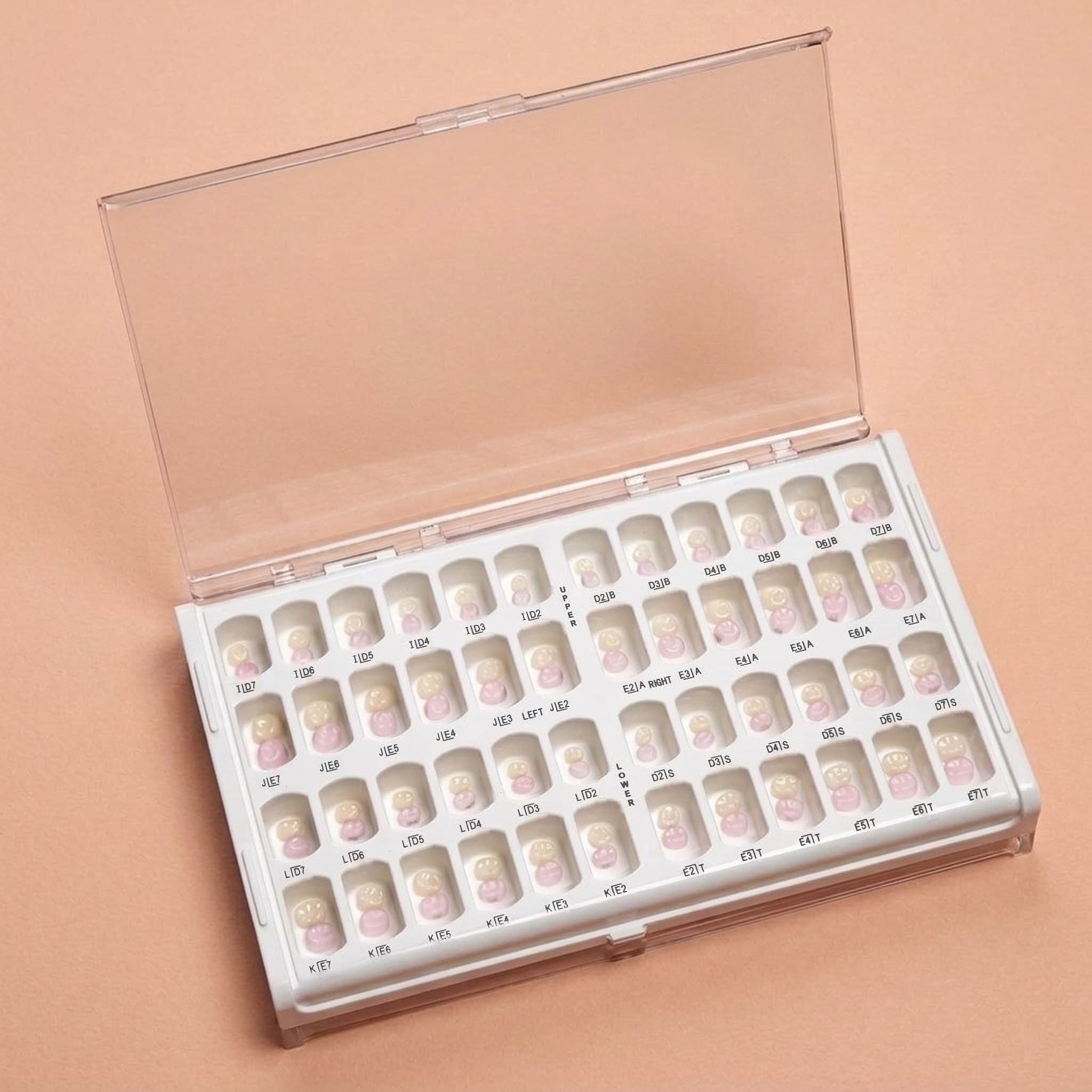
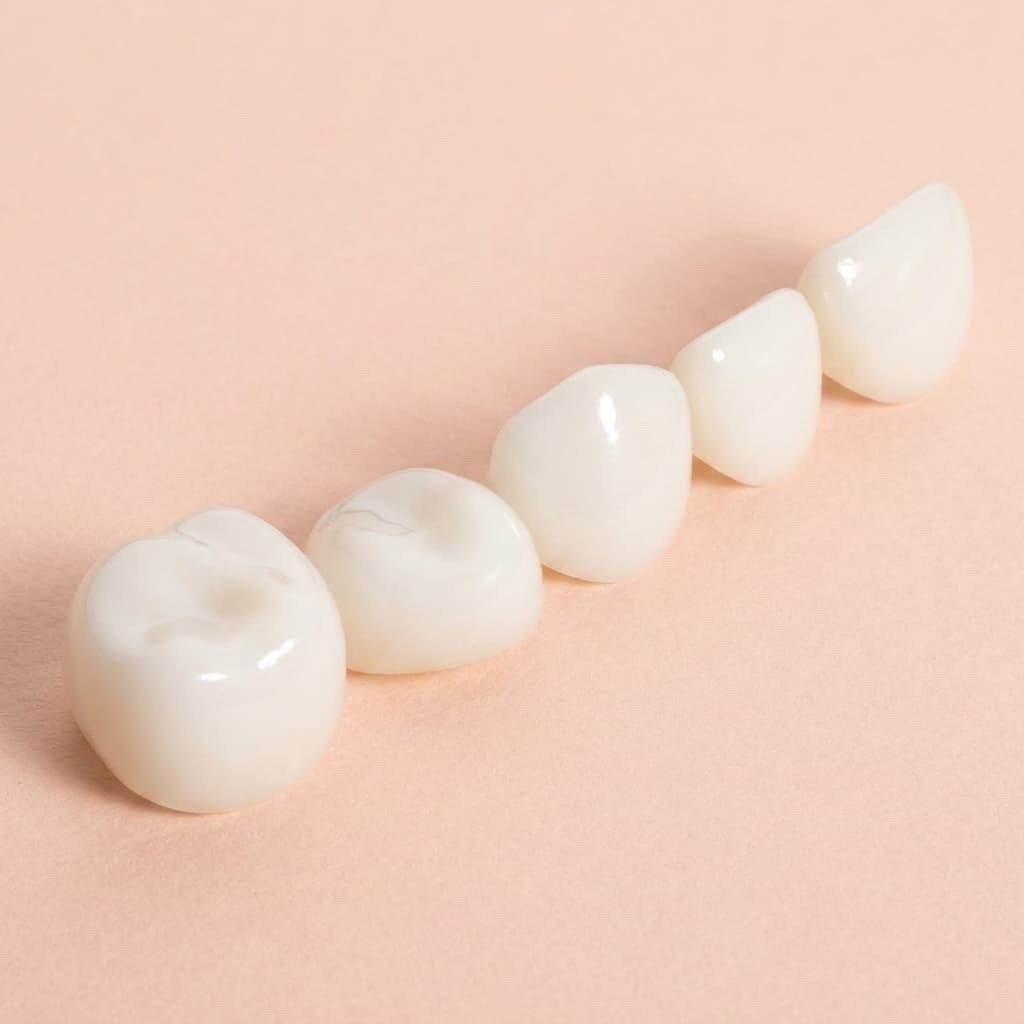
Prefabricated zirconia crowns for primary teeth are reported with D2929, prefabricated porcelain/ceramic crown, primary tooth. Zirconia is a ceramic, and the code covers any primary tooth, anterior or posterior, so the same code applies whether you place a zirconia crown on a central incisor or a second primary molar.
Earlier versions of the CDT Code had no ceramic crown code for primary teeth. If an old practice template still maps zirconia crowns to another code, update it to D2929.
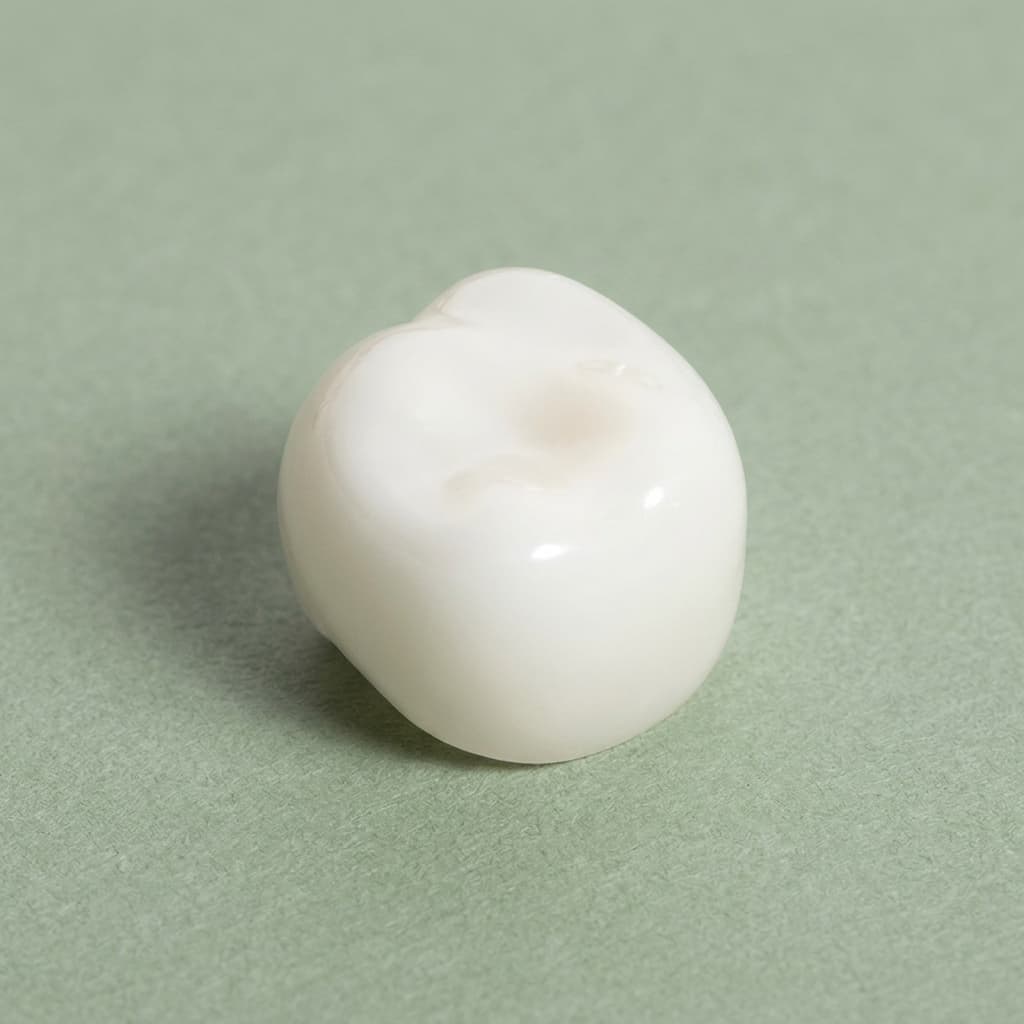
Reported as D2929
Zirconia Crown Refills
D2930: stainless steel crowns on primary teeth
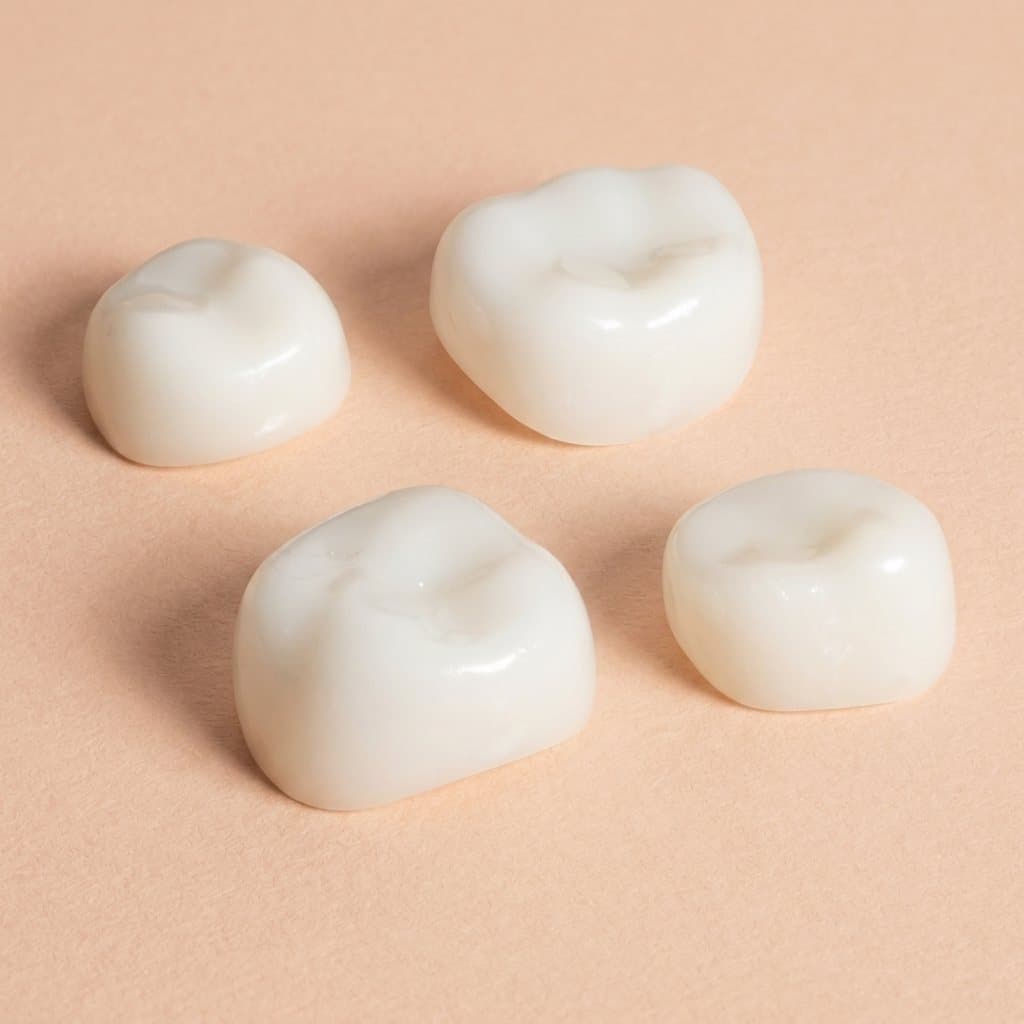
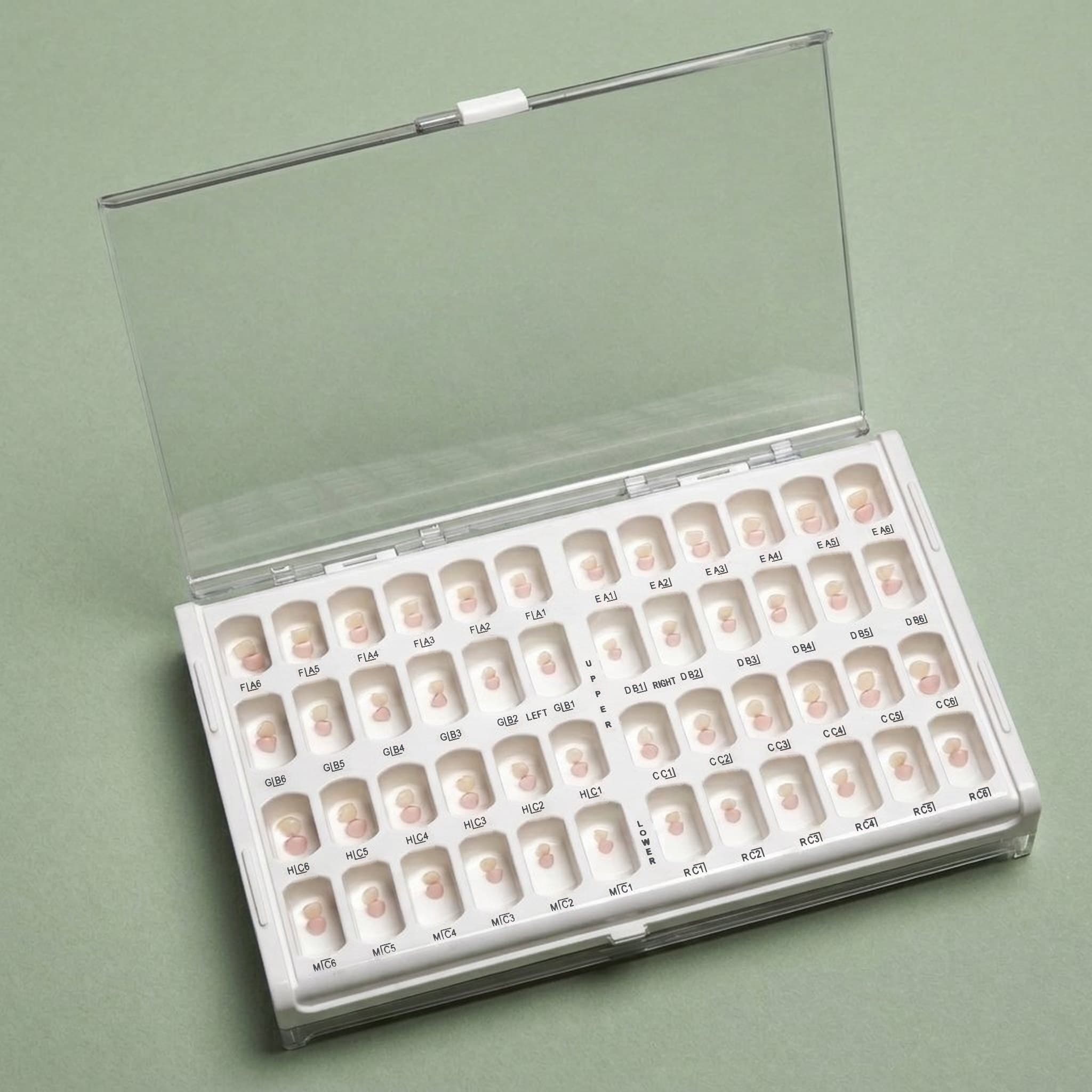
D2930, prefabricated stainless steel crown, primary tooth is the workhorse code of pediatric restorative dentistry. Use it for any plain steel crown on a primary tooth. It is strictly a primary tooth code: a steel crown on a permanent tooth is D2931.
A Hall technique crown is still a prefabricated stainless steel crown on a primary tooth, which is what the D2930 descriptor describes. The CDT Code does not have a separate code for the Hall technique. Some payers ask about technique or have their own policies, so check before assuming how a plan treats it. Our Hall technique vs. conventional crowns guide covers case selection.
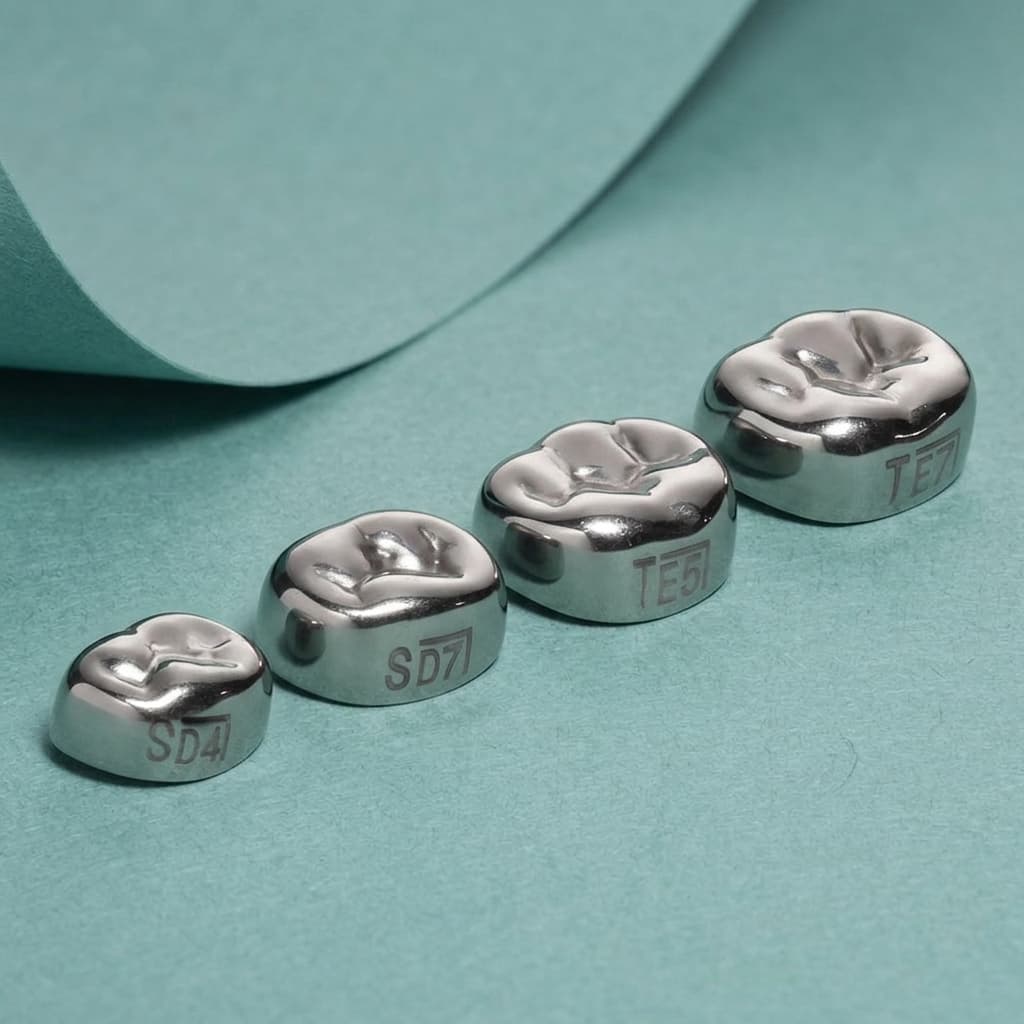
Reported as D2930
Stainless Steel Crowns
Strip crowns, resin crowns and coated steel crowns
- Strip crowns. A strip crown is a direct composite crown built in a celluloid form, which matches the descriptor for D2390, resin-based composite crown, anterior. D2932 describes a prefabricated resin crown, a different procedure. Confirm how your payers want strip crowns reported.
- Coated steel crowns. Pre-veneered stainless steel crowns on primary teeth are D2934, not D2930.
- Open-face steel crowns. A steel crown with a resin window is D2933.
Codes that often ride along with a crown
| Code | Descriptor (short) | When it appears |
|---|---|---|
| D3220 | Therapeutic pulpotomy | Pulpotomy on a primary tooth before the crown, reported separately from the crown |
| D1510 | Space maintainer, fixed, unilateral | A band-and-loop or crown-and-loop design |
| D1575 | Distal shoe space maintainer, fixed, unilateral | Early loss of a second primary molar |
Documentation that supports a crown claim
A correct code is only half of a clean claim. These habits cover the rest:
- Tooth number, every time. Report the primary tooth letter (A through T). Surfaces are not used for full-coverage crowns.
- Why a crown and not a filling. Record the extent of caries (for example, lesions on multiple surfaces or extending past the line angles), any pulp therapy, developmental defects, or the child's caries risk. Payers commonly list these as indications for a prefabricated crown.
- Pre-op radiographs and an intraoral photo. They show the extent of decay or breakdown and support the need for full coverage if a payer asks.
- A short narrative for zirconia, especially on molars. State the clinical reason for full coverage first, then why a ceramic crown was chosen. Payer policies generally exclude crowns placed solely for cosmetic reasons, so lead with the disease, not the appearance.
- Keep it consistent. The code, tooth number and notes on the claim should match the chart exactly.
When the plan pays for steel, not zirconia
Some dental plans include an alternate benefit (sometimes called least expensive alternative treatment) provision. Under that kind of clause, a plan may pay a D2929 zirconia crown at its D2930 stainless steel allowance, leaving the difference as the family's responsibility. Whether that applies depends entirely on the patient's plan.
- Verify benefits for D2929 and D2930 before treatment, and ask whether an alternate benefit applies.
- Consider a predetermination for multiple zirconia crowns or a full-mouth case.
- Give families a written estimate showing both options. Our guide to explaining zirconia crowns to parents has language for that conversation, and the zirconia vs. stainless steel comparison covers the clinical side.
Medicaid and zirconia crowns
Medicaid coverage for D2929 is set state by state, so there is no single answer to whether Medicaid covers zirconia crowns for kids. Some states list D2929 as a covered benefit for children; others limit coverage or do not cover it at all. Frequency limits also differ from the stainless steel code.
As one example, Nevada Medicaid's fee-for-service dental coverage table (updated September 16, 2026) lists D2929 for recipients under 21 without prior authorization, limited to once in a lifetime per tooth, while D2930 is limited to one unit per 36 months per tooth. Your state will differ, so check your state Medicaid dental provider manual or fee schedule, and your managed care plan if you work with one.
Quick reference
- Zirconia crown, primary tooth: D2929.
- Stainless steel crown, primary tooth (conventional or Hall): D2930.
- Stainless steel crown, permanent tooth: D2931.
- Pre-veneered steel crown, primary tooth: D2934.
- Steel crown with resin window: D2933.
- Prefabricated resin crown: D2932. Direct composite strip crown, anterior: D2390.
Want to see the crowns behind the codes? Request free samples of KTR zirconia and stainless steel crowns for your practice.
Frequently asked questions
What is the CDT code for a pediatric zirconia crown?
D2929, prefabricated porcelain/ceramic crown, primary tooth. Zirconia is a ceramic, and the code applies to any primary tooth, anterior or posterior. A prefabricated ceramic crown on a permanent tooth is D2928.
What is D2930?
D2930 is prefabricated stainless steel crown, primary tooth. It is used for plain stainless steel crowns on primary teeth, including crowns placed with the Hall technique. Steel crowns on permanent teeth are reported with D2931.
What is the CDT code for a strip crown?
A strip crown is a direct composite crown formed in a celluloid crown form, which matches the descriptor for D2390, resin-based composite crown, anterior. D2932 describes a prefabricated resin crown. Confirm how your payers want strip crowns reported.
Does Medicaid cover zirconia crowns for kids?
It depends on the state. Medicaid dental benefits for children are set by each state, and D2929 coverage, prior authorization and frequency limits vary. Check your state Medicaid dental provider manual or fee schedule before treatment.
Is there a separate code for the Hall technique?
No. The CDT Code has no separate Hall technique code. A Hall crown is a prefabricated stainless steel crown on a primary tooth, which D2930 describes. Some payers have their own policies, so confirm before submitting.
This article is general information for dental professionals. It does not replace clinical judgment, the product's instructions for use, or current AAPD guidance. Questions about a specific case? Call us at 1-800-506-5108.
Have a technique or case worth sharing?
We publish guest articles by pediatric dentists, residents and educators. Pitch an idea and write for colleagues.