

Pediatric Zirconia Crown Won't Seat? 7 Causes and Fixes
Why a pediatric zirconia crown won't seat passively, and how to fix it: ledges, undercuts, tight contacts, under-reduction, sizing, moisture and rotation.
By the KTR Crowns team · · 6 min read
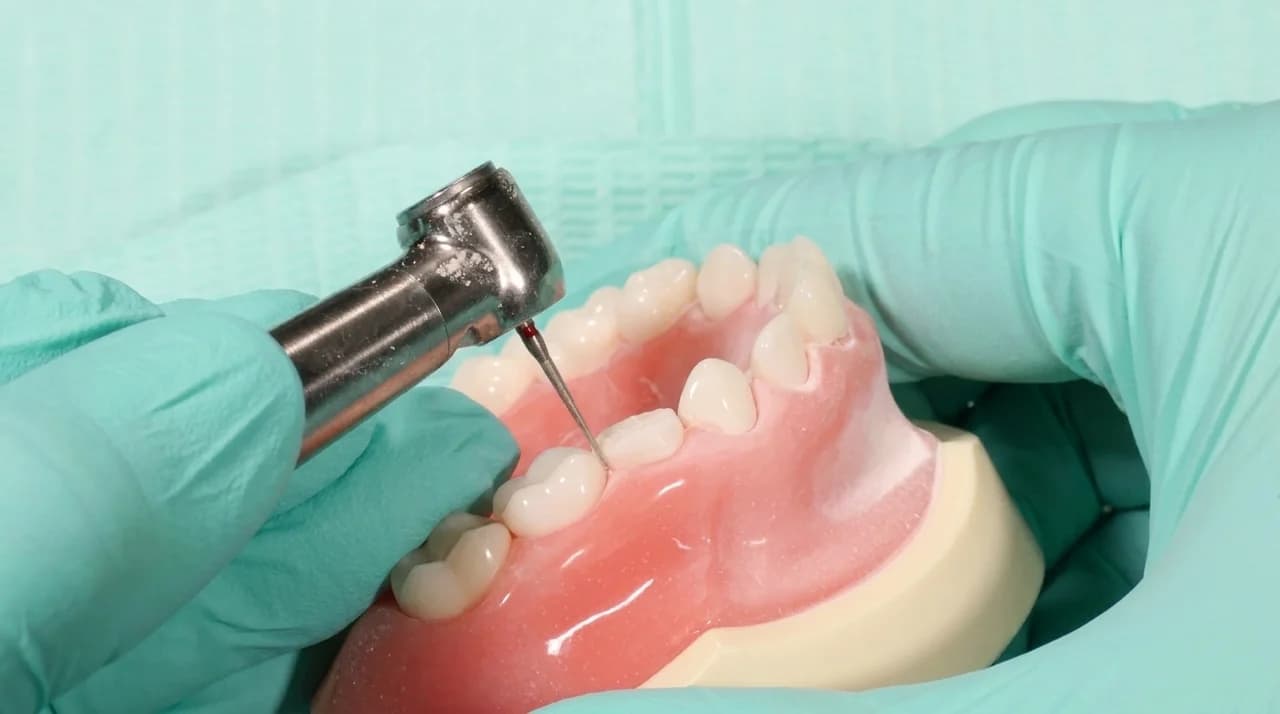
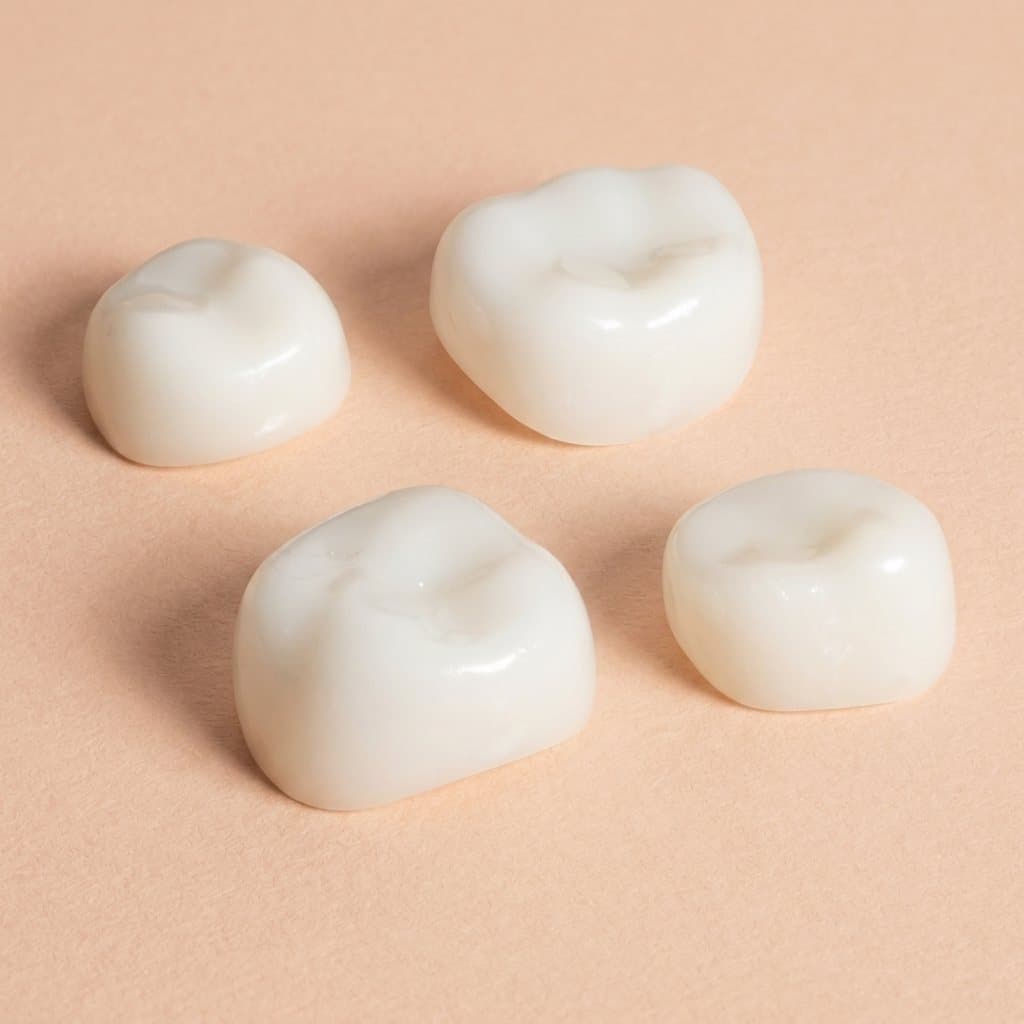
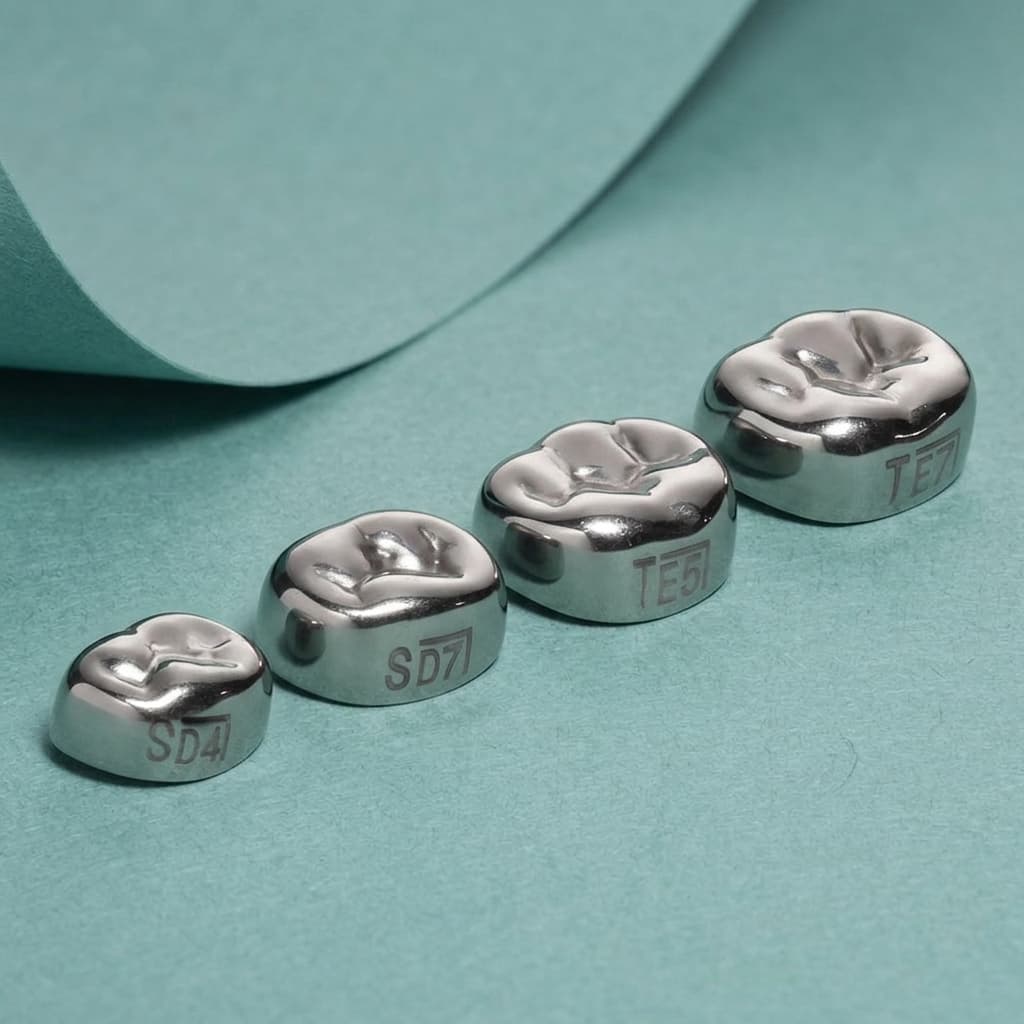
A zirconia crown that will not seat is the most common frustration for dentists new to the material. With a stainless steel crown, you would trim, contour and crimp until it snapped on. Zirconia does not work that way. The crown is milled to its final shape and seats passively or not at all, so when it stops short, the answer is almost always in the preparation.
Here are the seven causes we see most often, roughly in order of frequency, and how to fix each one.
1. A ledge or residual undercut at the margin
This is the cause in the majority of cases. Primary teeth have a pronounced cervical bulge, especially on the buccal of first molars. A stainless steel crown relies on that undercut for retention; a zirconia crown has to clear it. If the circumferential reduction stops at or above the bulge, or leaves a small shoulder at the gingival margin, the crown catches on it.
- Sign: the crown seats most of the way and stops at a consistent point, often with a visible gap on one side.
- Fix: carry the reduction subgingivally around the entire tooth to a feather-edge margin. On anteriors, the 016 chamfer bur held along the long axis does this with minimal tissue trauma. Run an explorer around the margin; it should glide off the tooth without catching.
2. Contacts not fully broken
A zirconia crown needs clearance on both proximal surfaces to slide on. A thin sliver of contact left against the adjacent tooth is enough to hold it up.
- Sign: the crown binds between the neighbors, or rocks mesiodistally.
- Fix: open both contacts with a thin tapered diamond (or the pencil-shaped flame diamond on anteriors) until you can pass the bur through without resistance. Protect the adjacent tooth with a metal matrix band.
3. Not enough occlusal or incisal reduction
If the crown seats but sits high, or seems to seat and then springs back when pressure is released, the tooth is too tall for it. On anteriors, remove about 2mm of incisal edge; on molars, 1.0 to 1.5mm following the cusp anatomy.
If you are already at a safe reduction and the crown is still high, do not keep going toward the pulp. That is a sign to change profile instead: the Mini-Fit crown is 1mm shorter occlusal-cervically. See our sizing and fit profile guide for when each profile makes sense.
4. The wrong size (or the wrong profile)
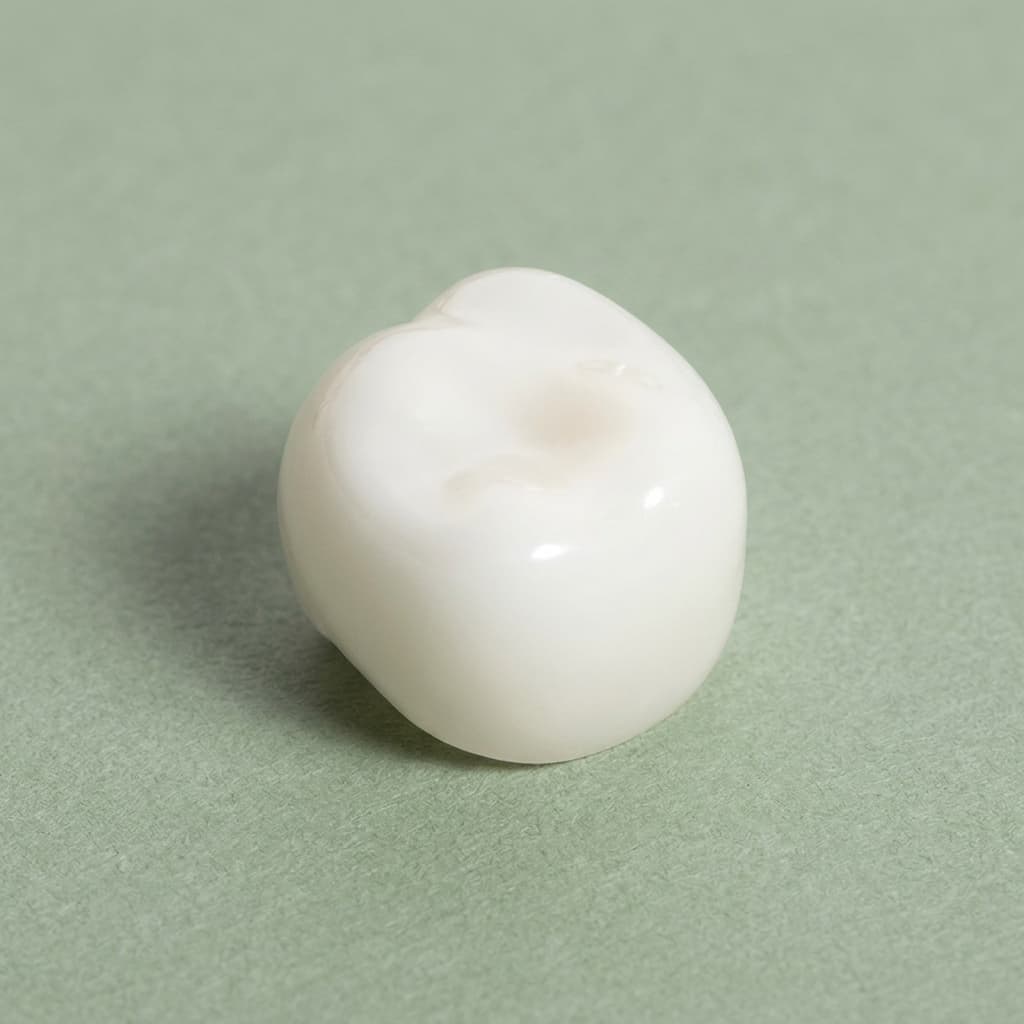
A crown one size too small will not go over the prep no matter how clean the margins are. Sizing is easiest before preparation: select the crown against the unprepped tooth and its neighbors, then prepare to that crown. When the right-looking size is too wide for a space that has closed down, try the same size in Slim Fit (1mm narrower mesiodistally) rather than cutting more interproximal structure.
Every size in all three profiles
Zirconia Crown Refills
5. Blood or moisture in the crown
Hemorrhage from the subgingival margin fills the crown interior and acts like a hydraulic cushion. The crown seemed to fit at try-in, then will not seat at cementation. Blood left inside a zirconia crown can also show through as staining after it is cemented.
- Fix: achieve hemostasis before final seating. A round or chamfer diamond at the margin lets the tissue roll away rather than tear, which keeps bleeding down in the first place.
- Use a colored try-in crown for fitting so the final crown is not contaminated before cementation.
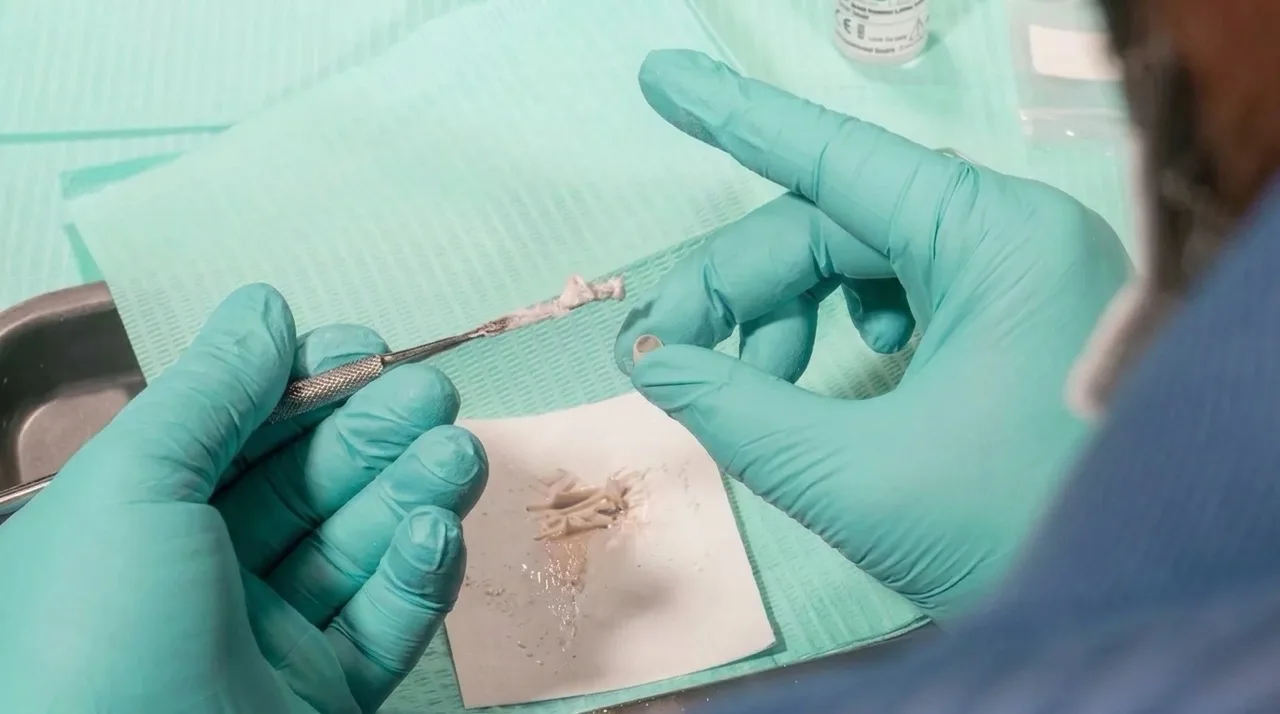
- A thick, putty-like cement mix helps keep moisture from re-entering the crown as it seats. Our cementation guide covers the full sequence.
6. The crown is rotated or on the wrong tooth
Symmetric-looking crowns are easy to seat backwards or on the contralateral tooth, especially mid-procedure with a moving patient. A mesiodistally reversed molar crown will usually refuse to go down, or go down with open margins.
- Fix: check the laser-etched marking on the crown before try-in and confirm the position code matches the tooth.
- Orient the crown by its anatomy (for molars, the buccal cervical bulge and the mesial marginal ridge) before seating.
7. Bulk on the adjacent tooth or crown
When two adjacent teeth are being crowned, the first crown seated can block the second. The same happens with an overcontoured restoration on the neighbor.
- Fix: try in both crowns together before cementing either one. If they fight for space, open the contact between the two preps further, or move one to Slim Fit.
- Cement them in sequence only once both seat passively together.
Primary molar reduction guidelines for zirconia crowns
Most molar seating problems disappear when the reduction follows a consistent sequence. This is the KTR posterior prep protocol in summary.
| Surface | Reduction | Key points |
|---|---|---|
| Occlusal | 1.0 to 1.5mm | Coarse football diamond, following cusp-fossa anatomy. Use a depth guide: primary molars have large pulp chambers. |
| Proximal | Break contacts fully | Thin tapered diamond through mesial and distal contacts, feather-edge margin, protect neighbors with a matrix band. |
| Buccal and lingual | About 0.5 to 1.0mm | Follow the natural contour, remove the cervical bulge, carry the margin just below the gingival crest. |
| Axial walls | 2 to 6 degree taper | No undercuts anywhere. Round all line angles to avoid stress concentration in the zirconia. |
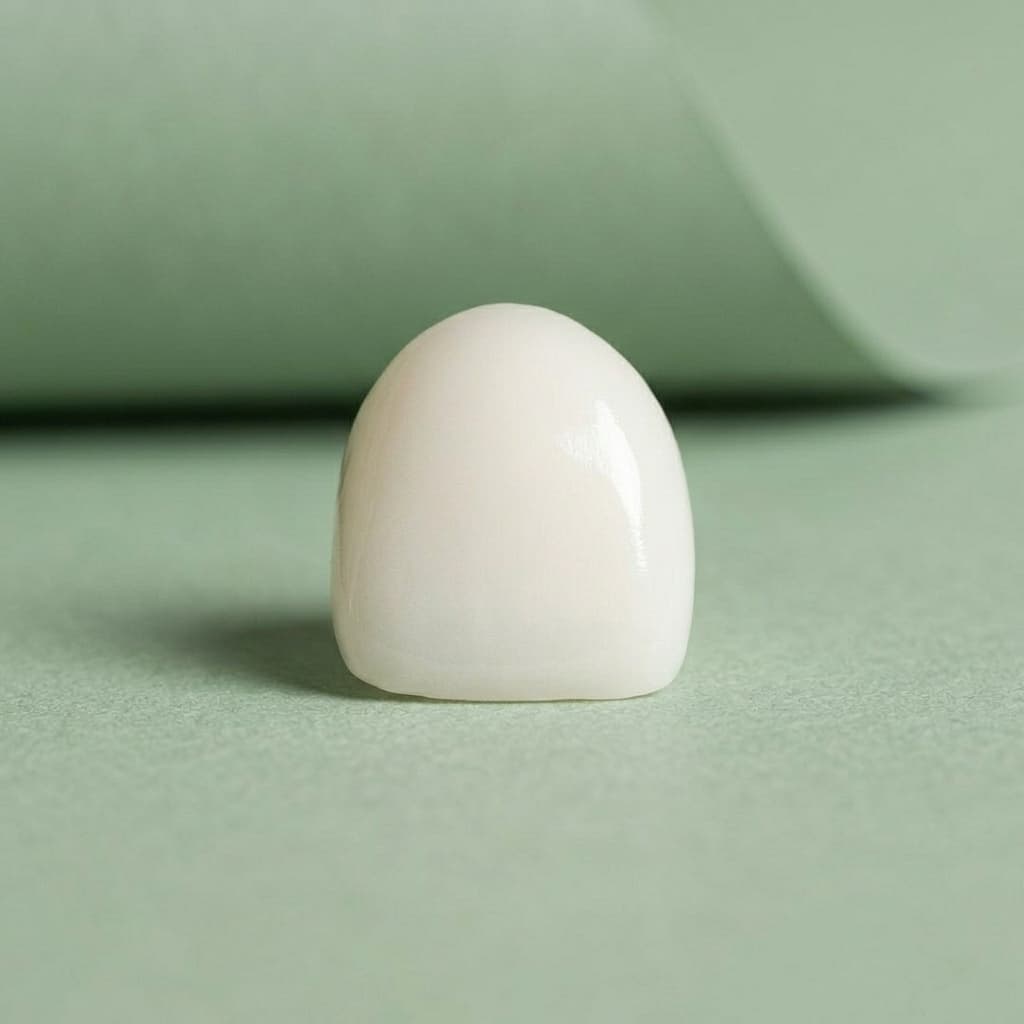
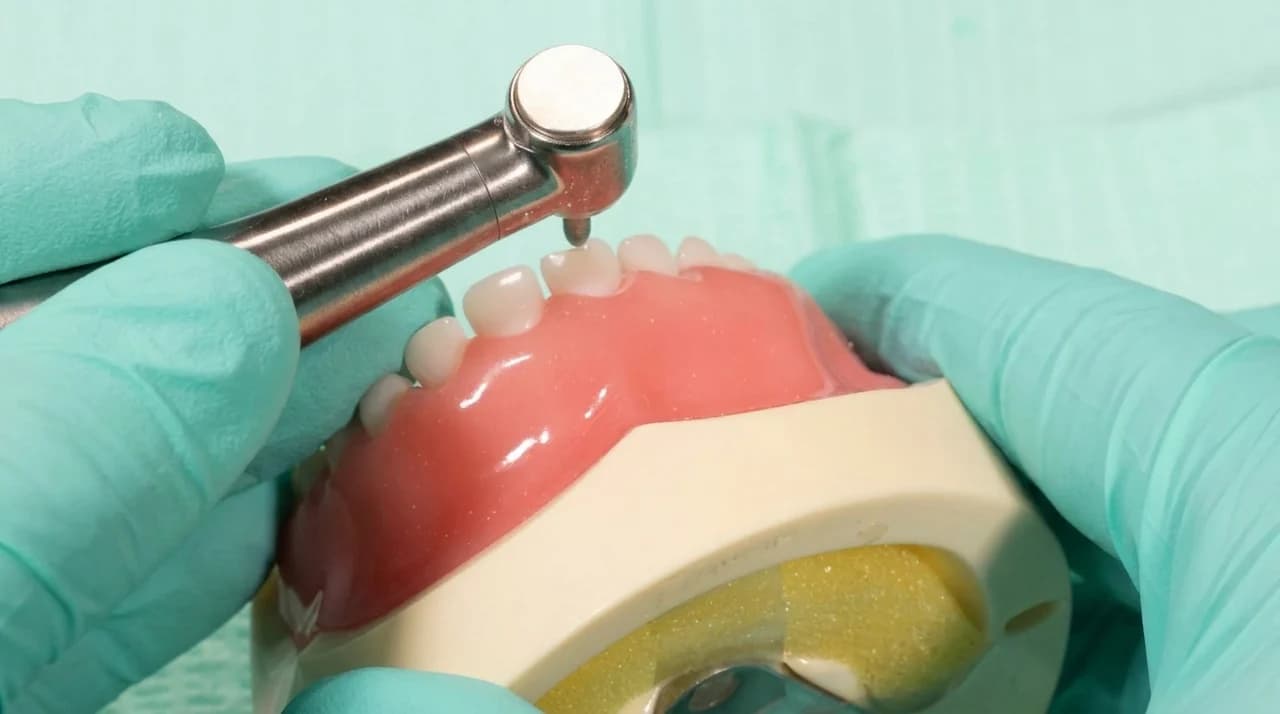
For anteriors, the equivalent sequence is about 2mm of incisal reduction, interproximal separation, circumferential subgingival reduction with the 016 chamfer bur, and cingulum reduction, with no margins or ledges anywhere. The anterior prep guide walks through it with photos and a narrated video.
Step-by-step with photos
Zirconia Prep Guide
A quick diagnostic sequence
- Stop pushing. Remove the crown.
- Check the marking: right tooth, right orientation?
- Run an explorer around the margin for ledges and residual undercut.
- Pass floss or a thin bur through both contacts.
- Check occlusal or incisal clearance.
- Dry the prep and the crown interior; control any bleeding.
- Try in again with light fingertip pressure. If it now seats but looks wrong in one dimension, change profile; in all dimensions, change size.
If the crown still will not seat after all seven checks, the tooth may simply not suit a passive-fit crown. Very short clinical crowns, teeth with extensive structure loss below the gingiva, and cases where reliable hemostasis is not achievable are all better served by a stainless steel crown, which grips the tooth through crimping and tolerates a wetter field. Changing material mid-appointment is a sound clinical decision, not a failure. Our comparison of zirconia and stainless steel crowns covers the case selection in more depth.
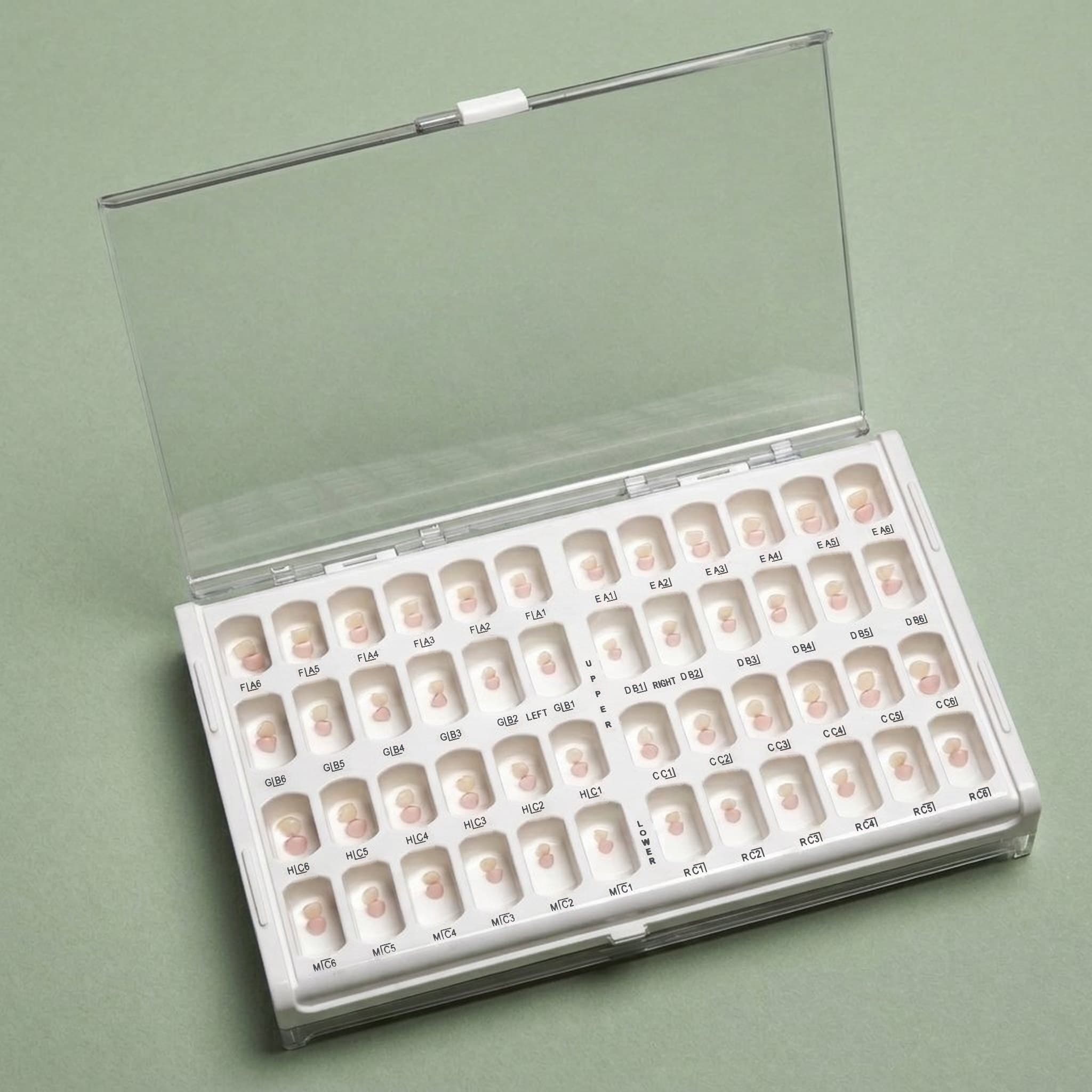
Seating problems become rare once selection and prep follow the same routine every time. Keeping a full zirconia starter kit with try-in crowns in the operatory means the next size or profile is always within reach.
Frequently asked questions
Why won't my pediatric zirconia crown seat?
The most common cause is a ledge or residual undercut at the gingival margin. Other causes include contacts not fully broken, insufficient occlusal or incisal reduction, the wrong size or fit profile, blood in the crown, a rotated crown, and bulk on an adjacent crown.
Can I crimp or adjust a zirconia crown to make it fit?
No. Zirconia crowns cannot be crimped, bent or trimmed at the margin. Forcing one into place can lead to cracking or fracture. Adjust the preparation until the crown seats passively.
How much should I reduce a primary molar for a zirconia crown?
As a guide, 1.0 to 1.5mm occlusally following the cusp anatomy, full proximal separation, and about 0.5 to 1.0mm buccally and lingually, with a feather-edge margin just below the gingival crest, no undercuts and a slight taper.
The crown fit at try-in but won't seat at cementation. Why?
Usually blood or moisture in the crown, or an overfilled crown whose excess cement cannot escape fast enough. Achieve hemostasis, dry the preparation, and use a try-in crown for fitting so the final crown stays clean.
This article is general information for dental professionals. It does not replace clinical judgment, the product's instructions for use, or current AAPD guidance. Questions about a specific case? Call us at 1-800-506-5108.
Have a technique or case worth sharing?
We publish guest articles by pediatric dentists, residents and educators. Pitch an idea and write for colleagues.